

Introduction
The digital entertainment industry has changed dramatically over the last decade. Gaming is no longer limited to traditional consoles or desktop computers, while entertainment itself has become increasingly interactive, social, and accessible. People can now play competitive games with participants from different countries, watch live gaming sessions, explore virtual worlds, and communicate with online communities from almost anywhere. This transformation has created an entertainment environment where technology and creativity continuously influence one another. thehakevent represents a useful concept for exploring this broader digital landscape, particularly for audiences interested in modern games, interactive experiences, and changing entertainment habits.
Modern gaming is also much more diverse than it once was. Some players enjoy story-driven adventures, while others prefer competitive multiplayer titles, casual mobile games, simulations, strategy experiences, or creative sandbox environments. At the same time, streaming platforms and online communities have turned gaming into a form of entertainment that people can enjoy even when they are not personally playing. Viewers follow professional competitions, watch creators demonstrate new games, and participate in discussions surrounding releases and updates. This combination of participation and observation has helped establish gaming as an important part of contemporary digital culture.
Understanding the Modern Gaming Environment
The modern gaming environment is built around accessibility, connectivity, and continuous development. Traditional gaming often involved purchasing a physical copy of a game and playing it largely as a standalone experience. Today, many games are designed as connected platforms that receive regular updates, seasonal content, new features, and community events. Developers can respond to player feedback and introduce changes long after a game has been released. This approach means that a modern game can evolve considerably throughout its lifetime.
Another major change is the variety of devices available to players. Powerful gaming computers and consoles remain important, but smartphones and tablets have made gaming accessible to an enormous audience. Cloud-based technologies are also changing expectations about where games can be played. Instead of depending entirely on local hardware, some services allow compatible games to be streamed through internet-connected devices. These developments have reduced some traditional barriers and have encouraged developers to consider audiences with very different gaming habits.
How Digital Entertainment Is Becoming More Interactive
Digital entertainment is increasingly moving away from passive consumption. Instead of simply watching a television program or film, audiences can now interact with creators, participate in online communities, influence live broadcasts, and become part of virtual experiences. Gaming naturally fits into this model because players are active participants rather than traditional viewers. The choices they make can influence characters, stories, competition results, and social interactions.
Live streaming has strengthened this interactive relationship. A gaming creator can broadcast a session while viewers communicate through real-time chat. Some communities develop their own traditions, expressions, and inside jokes around particular creators or games. This creates an environment where entertainment becomes a shared social activity. Platforms supporting these interactions have also created opportunities for talented players and creators to develop audiences based on personality, skill, commentary, or specialized knowledge.
The Role of Competitive Gaming
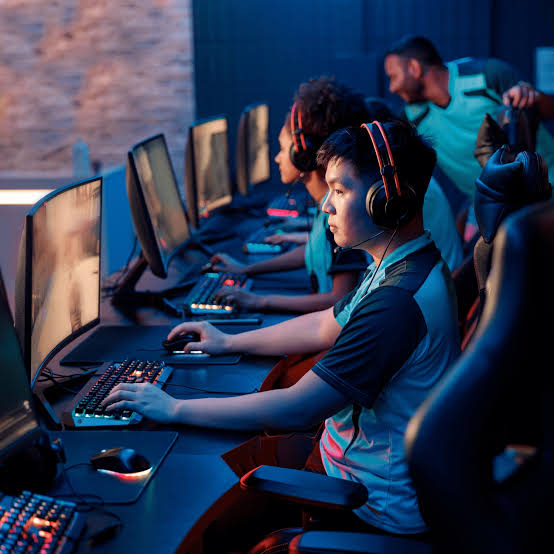
Competitive gaming has become an important part of the wider digital entertainment industry. Online multiplayer games can bring together large communities where players compete individually or as teams. Organized tournaments introduce structured competition, while professional players can develop careers around their performance, training, and public presence.
The appeal of competitive gaming comes from several factors. Players enjoy improving their skills, learning strategies, following favorite teams, and experiencing the excitement of closely contested matches. Viewers who may not play a particular game can still become interested in its competitive scene because tournaments provide narratives, rivalries, teamwork, and moments of unexpected success.
Important aspects of competitive gaming include:
- Skill development and strategic decision-making
- Team communication and coordinated play
- Organized tournaments and community events
- Live commentary and audience interaction
- Growing opportunities for gaming creators and professionals
Storytelling and Immersive Gaming Experiences
Gaming has developed into an important storytelling medium. Modern titles can combine detailed environments, character development, cinematic presentation, music, dialogue, and interactive decision-making. Unlike traditional forms of storytelling, games allow players to directly participate in many aspects of the experience. Their decisions can sometimes affect the direction of events or the relationships between characters.
This interactive structure can create a stronger sense of involvement. A player exploring a fictional world may spend dozens of hours discovering its history, completing missions, solving problems, and developing relationships with characters. Open-world games have expanded this concept further by allowing players to explore large environments at their own pace. The result is an entertainment experience that combines storytelling with personal discovery.
Mobile Gaming and Changing Audience Habits
Mobile gaming has significantly influenced the demographics of the gaming industry. Smartphones are already part of everyday life for billions of people, making games easily accessible without requiring specialized equipment. Mobile games range from short casual experiences to complex multiplayer titles with sophisticated graphics and extensive progression systems.
One reason mobile gaming remains popular is flexibility. A person may play a short game during a break, while commuting, or during another convenient moment. Other players may spend much longer sessions on competitive or role-playing titles. This flexibility has encouraged developers to design experiences for different attention spans and preferences. It has also helped gaming become a routine form of entertainment rather than an activity associated with a particular age group or type of player.
Streaming, Creators, and Gaming Communities
Gaming creators have become influential figures within digital entertainment. They may specialize in reviews, tutorials, live gameplay, humor, competitive analysis, news discussions, or specific genres. Their content can introduce audiences to games that they might not otherwise discover.
Community is equally important. A gaming audience often extends beyond the game itself and includes forums, social media discussions, streaming chats, fan-created content, and online groups. These communities allow people with shared interests to exchange strategies, recommendations, opinions, and experiences. thehakevent can be viewed within this broader environment of digital discovery, where audiences increasingly look for places and formats that combine gaming information with entertainment.
Emerging Technologies in Digital Entertainment
Technology continues to influence how games are created and experienced. Artificial intelligence, improved graphics processing, virtual reality, augmented reality, faster internet connections, and increasingly capable mobile hardware are all contributing to new possibilities. Not every technology becomes mainstream immediately, but each can influence how developers think about future experiences.
Virtual and augmented reality are particularly interesting because they change the relationship between the player and the digital environment. Instead of looking at a game world through a conventional screen, compatible technologies can create a greater sense of presence. Meanwhile, artificial intelligence can support areas such as non-player character behavior, procedural content, personalization, testing, and development workflows. As these technologies mature, the distinction between traditional games and broader interactive entertainment may become less obvious.
Comparing Major Digital Entertainment Formats
Different entertainment formats appeal to different audiences. Some people prefer direct participation, while others enjoy watching skilled creators or following competitive events. Understanding these differences helps explain why the digital entertainment industry contains so many overlapping formats.
| Entertainment Format | Main Experience | Common Audience Interest |
|---|---|---|
| Console Gaming | High-quality interactive gameplay | Stories, action, multiplayer |
| PC Gaming | Flexible and customizable experiences | Strategy, competitive play, creativity |
| Mobile Gaming | Accessible gaming anywhere | Casual and social experiences |
| Game Streaming | Watching live or recorded gameplay | Entertainment and community |
| Esports | Organized competitive gaming | Competition and professional play |
| VR Entertainment | Immersive digital experiences | Exploration and interaction |
These formats are not necessarily separate. A person may play a mobile game, watch a creator stream the same title, follow an esports competition, and discuss updates with an online community. This interconnected behavior is one of the defining characteristics of modern digital entertainment.
Choosing Games in a Fast-Changing Industry
With thousands of games available across different platforms, choosing something suitable can sometimes feel overwhelming. Players can begin by considering the type of experience they want rather than simply looking for the newest release. Someone who enjoys storytelling may prefer a narrative adventure, while another person interested in competition may prefer a multiplayer title.
It is also useful to consider the amount of time required. Some games are designed around short sessions, while others encourage long-term progression. Online connectivity, hardware requirements, age suitability, difficulty, and multiplayer features can also influence whether a particular game matches a player’s expectations. thehakevent can serve as a conceptual guide for audiences exploring these different sides of gaming and digital entertainment.
The Importance of Responsible Digital Entertainment
As gaming becomes more accessible, responsible digital habits remain important. Spending too much time in front of screens can interfere with sleep, work, education, physical activity, or personal relationships. Players can benefit from maintaining a balanced routine and recognizing when entertainment begins to interfere with other responsibilities.
Parents and guardians may also want to understand the games children are playing. Age ratings, communication features, in-game purchases, and online interactions can vary considerably between titles. Open conversations about privacy, respectful communication, and responsible spending can help younger audiences develop healthier digital habits.
What the Future May Bring
The future of gaming is likely to involve greater connectivity and increasingly personalized experiences. Games may continue to operate as long-term platforms rather than products that simply end after release. Developers can use player feedback and technological improvements to expand virtual worlds and introduce new forms of interaction.
Artificial intelligence could contribute to more dynamic characters, personalized challenges, and development processes, although the quality and responsible use of these systems will remain important considerations. Cloud technology may also make certain gaming experiences available across a wider range of devices. Meanwhile, virtual and augmented reality could create new forms of interactive entertainment as hardware becomes more comfortable and accessible.
The most significant development may be the continued blending of different entertainment formats. Gaming, streaming, social communication, live events, digital communities, and interactive storytelling are increasingly connected. thehakevent reflects this modern direction by providing a suitable theme for discussing how people discover, experience, and share digital entertainment.
Why Digital Communities Matter
A successful gaming experience is not always determined by graphics or technical specifications. Community can play an equally significant role. Players often return to a particular game because of friends, teammates, creators, or communities they have discovered around it. Shared experiences can turn an individual game into a long-term social activity.
Digital communities can also help newcomers learn. Experienced players share guides, strategies, explanations, and practical advice, allowing beginners to improve more quickly. This exchange of knowledge demonstrates that gaming is not only about entertainment; it can also involve communication, collaboration, creativity, and problem-solving.
FAQs
What is modern digital entertainment?
Modern digital entertainment includes gaming, streaming, interactive media, virtual experiences, online communities, and other technology-based activities. It allows audiences to participate, communicate, create, and consume entertainment through connected devices.
Why has gaming become so popular?
Gaming offers a wide variety of experiences for different interests and skill levels. Improved technology, mobile accessibility, online multiplayer features, digital distribution, and streaming have also made games easier to discover and enjoy.
What makes gaming communities important?
Gaming communities provide opportunities for communication, learning, collaboration, and shared experiences. Players can exchange strategies, discuss updates, follow creators, and build friendships around common interests.
How is technology changing games?
Technology is supporting improved graphics, faster connectivity, cloud-based services, artificial intelligence, virtual reality, augmented reality, and more sophisticated game development tools. These technologies can create new possibilities for interaction and immersion.
Is mobile gaming part of modern gaming culture?
Yes. Mobile gaming has become a major part of the industry because smartphones provide convenient access to games. Mobile titles range from simple casual experiences to competitive multiplayer and highly detailed role-playing games.
What can audiences expect from the future of gaming?
Future gaming experiences may become more connected, personalized, immersive, and socially integrated. Developments in artificial intelligence, cloud technology, virtual reality, and online communities could influence how games are created and experienced.
Conclusion
Modern gaming and digital entertainment represent a rapidly developing combination of technology, creativity, community, and interactive experiences. Players today have more choices than ever, from mobile games and console adventures to competitive esports, streaming communities, and immersive virtual environments. The industry continues to expand because it can adapt to different interests, devices, lifestyles, and forms of social interaction.
As technology develops, entertainment will likely become even more connected and interactive. Understanding these changes can help audiences make informed choices about the games they play, the communities they join, and the digital experiences they follow. thehakevent fits naturally into this conversation by representing a modern approach to exploring games, entertainment trends, digital communities, and the technologies shaping the future of interactive media. Ultimately, the continuing evolution of gaming demonstrates that digital entertainment is no longer simply about playing or watching—it is increasingly about participating, connecting, creating, and experiencing something together.