

Introduction
Competitive gaming has grown into a major part of the digital entertainment world. Players can now participate in tournaments for popular PC, console, and mobile games, ranging from small community competitions to large esports events. However, finding the right tournament can sometimes be difficult because event information is spread across different websites, gaming communities, social platforms, and official game channels. Players may find an event only to discover that registration has closed, the competition is limited to another region, or the rules do not match their skill level. This is why knowing where to find gaming tournaments thehakevent can make tournament discovery more organized and convenient. A focused approach allows players to identify relevant competitions, understand requirements, compare formats, and prepare before registration deadlines.
Why Gaming Tournaments Are Becoming Popular
Gaming tournaments provide players with an opportunity to move beyond ordinary matchmaking and experience structured competition. Instead of simply playing for entertainment, participants can compete under specific rules, schedules, brackets, and scoring systems. Depending on the event, players may compete individually or form teams with friends and other community members. Some tournaments are designed for beginners, while others attract experienced competitive players.
The growth of esports has also created a wide range of tournament formats. Online competitions allow players to participate from home, while LAN events provide an in-person competitive environment. Community cups, college competitions, regional events, and professional leagues can all offer different experiences. Tournament platforms now cover many popular games and provide players with ways to discover competitions according to their preferred titles and formats.
Understanding Where to Find Gaming Tournaments TheHakEvent
When researching where to find gaming tournaments thehakevent, players should think beyond a single website or source. Tournament discovery can involve dedicated esports platforms, official game communities, Discord groups, social media announcements, gaming organizations, and event calendars. Each source can serve a different purpose.
A tournament directory or discovery-focused platform can be useful because it brings information into a more organized environment. Instead of searching individually for every competition, players can look for tournaments based on game, location, format, timing, or competitive level. This approach can reduce the time spent searching and help players discover opportunities that may otherwise be overlooked.
Dedicated Tournament Platforms
Dedicated tournament platforms are among the most practical places to search for competitive gaming events. Platforms such as Battlefy, Toornament, FACEIT, Challonge, and start.gg have been used for different types of gaming competitions. Their game coverage and tournament formats vary, so players should always check the current event information before registering.
These platforms can support everything from community-run competitions to more structured esports events. Some are particularly useful for specific game communities, while others support a broad selection of titles. Players should create accounts where necessary, select their preferred games, and monitor upcoming competitions. Checking registration requirements early is important because some events have limited slots or specific eligibility conditions.
Official Game Websites and Esports Channels
Another important source is the official website or competitive community associated with the game. Game publishers and developers may announce official competitions, qualifiers, seasonal events, or esports programs through their websites and social channels. These sources can be particularly useful because they provide information directly connected with the game.
Players should check announcements for games they regularly play and follow official competitive channels where available. This can help them stay informed about upcoming events, qualification opportunities, rule changes, and tournament schedules. Official announcements may also explain regional requirements, supported platforms, and registration procedures.
Discord Gaming Communities
Discord has become an important communication channel for gaming communities. Many game-specific communities use Discord servers to share tournament announcements, team recruitment posts, match schedules, and competitive updates. Community organizers may announce smaller tournaments there before promoting them through broader channels.
For someone researching where to find gaming tournaments thehakevent, joining relevant communities can therefore be useful. A player interested in a particular title can search for established communities and review their tournament channels. However, players should verify event information carefully, especially when an unfamiliar organizer requests payment or personal information.
Social Media and Gaming Communities
Social media can also help players discover tournaments. Esports organizations, tournament organizers, gaming influencers, teams, and community leaders frequently publish announcements about upcoming competitions. Following accounts associated with a player’s favorite games can make it easier to notice new opportunities.
The important point is to distinguish an announcement from verified tournament information. Before entering an event, players should check the organizer, official rules, registration deadline, prize details, eligibility requirements, and communication channels. A professional-looking announcement does not automatically mean that an event is suitable or trustworthy.
Local Gaming Events and LAN Competitions
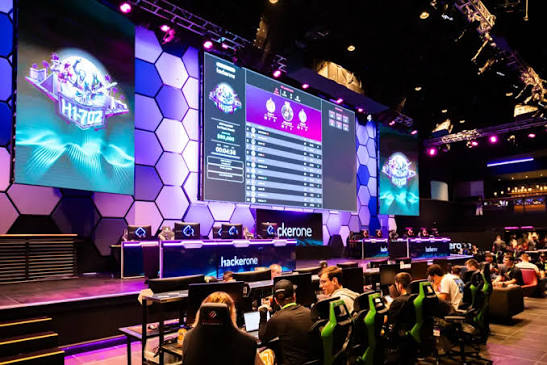
Online tournaments are convenient, but local gaming events can provide a completely different competitive experience. LAN tournaments bring participants together at a physical venue where matches are played on shared equipment or connected systems. These competitions can be organized by gaming cafés, colleges, esports organizations, conventions, or local communities.
Local events can also help players build relationships with other gamers. Meeting teammates and competitors in person can lead to new team opportunities and future competitions. Players interested in LAN events should monitor local gaming communities and event announcements while checking age, location, equipment, registration, and schedule requirements.
Choosing the Right Tournament
Finding a tournament is only the first step. Players also need to determine whether the event matches their needs. The game should obviously be one they know well, but other factors are equally important. Tournament format, skill requirements, team size, region, platform, entry cost, schedule, and rules can all affect the experience.
A beginner might prefer an open community tournament that allows newer players to gain experience. A more experienced competitor may look for ranked competitions or structured events. Players should read the complete rules before registering rather than relying only on promotional information.
Checking Tournament Rules Before Registration
Tournament rules establish how the competition will operate. They may cover match formats, scoring, game settings, prohibited software, player eligibility, substitutions, disconnections, disputes, and result reporting. Ignoring these details can create unnecessary problems during competition.
Before entering, players should also check whether the tournament requires a specific rank or account level. Some events are limited by geographical region, while others may require players to use particular devices or platforms. Understanding these requirements beforehand helps prevent registration problems and ensures that participants know what is expected.
Free and Paid Gaming Tournaments
Gaming tournaments can have different participation models. Many community competitions are free to enter, while some events charge an entry fee. Others may offer different divisions or formats with varying requirements. Players should never assume that a tournament is free or that a listed prize is guaranteed without checking the official rules.
When an event requires payment, participants should review the organizer’s information and understand exactly what the fee covers. They should also look for clearly explained prize distribution policies and dispute procedures. Responsible tournament participation means evaluating the event details before committing money or time.
Preparing for a Gaming Tournament
Once players find a suitable competition, preparation becomes important. Players should practice the relevant game mode, review the tournament rules, and make sure their equipment is ready. Internet stability, updated software, controller or keyboard settings, audio equipment, and game configurations should be checked before match day.
Teams should also communicate clearly about roles and schedules. A tournament can become stressful if teammates do not know when matches begin or who is responsible for specific tasks. Preparing early provides more time to solve technical issues and coordinate strategies.
Finding Opportunities Through Gaming Networks
Gaming networks can be valuable because tournament opportunities often spread through communities. Players who regularly communicate with other gamers may learn about upcoming events before they become widely known. Team members can also share tournament calendars and recommend competitions that fit their preferred games.
This makes tournament discovery a continuous process rather than a one-time search. Following several reliable sources can help players maintain awareness of upcoming competitions. A centralized discovery approach combined with official announcements and community channels can create a broader view of the competitive gaming calendar.
How TheHakEvent Can Support Tournament Discovery
The search for where to find gaming tournaments thehakevent reflects a common challenge faced by modern gamers: there are many opportunities, but finding relevant ones efficiently can require considerable research. A tournament-focused discovery resource can make this process easier by helping users organize information around competitive gaming opportunities.
Instead of searching randomly, players can approach tournament discovery systematically. They can begin with their preferred game, identify the desired competition format, check the event date, review eligibility conditions, and then investigate registration requirements. This process makes it easier to separate suitable tournaments from events that do not match their needs.
Building a Regular Tournament Search Routine
Players who want to participate regularly should create a simple tournament-search routine. Checking tournament platforms, official game announcements, community channels, and event directories at regular intervals can help prevent missed opportunities.
For example, a player might review upcoming events once or twice each week. They can record tournament dates, registration deadlines, team requirements, and preparation tasks. Keeping this information organized makes it easier to decide which events deserve attention and prevents important deadlines from being forgotten.
Benefits of Participating in Tournaments
Tournament participation can provide benefits beyond prizes. Competitive matches can help players understand their strengths and weaknesses under pressure. They may learn how to communicate more effectively, manage time, adapt to opponents, and perform consistently.
Tournaments can also introduce players to new gaming communities. A participant who performs well or communicates effectively may meet potential teammates, organizers, streamers, or other competitive players. These connections can become valuable as someone develops their gaming interests.
The Future of Gaming Tournament Discovery
The esports ecosystem continues to expand across PC, console, and mobile gaming. Tournament platforms are becoming more specialized, while community organizers continue to create competitions for different skill levels. In India, for example, current tournament platforms show active interest in games such as BGMI, Valorant, Free Fire, COD Mobile, and other competitive titles.
As the number of competitions increases, organized discovery becomes more important. Players need practical ways to identify tournaments that fit their game, region, schedule, and skill level. This is where resources focused on tournament discovery can provide value by making the search process more structured.
Tips for New Competitive Gamers
New players should start with realistic goals. Entering a tournament does not have to mean immediately competing against the strongest players available. Smaller community events can provide valuable experience with registration, team communication, match schedules, tournament rules, and competitive pressure.
Players should also treat every competition as a learning opportunity. Reviewing mistakes after a match can reveal areas for improvement. Over time, repeated participation can make tournament environments more familiar and help players become more comfortable with structured competitive gaming.
Conclusion
Knowing where to find gaming tournaments thehakevent can help gamers approach competitive gaming with greater organization. Tournament platforms, official game channels, Discord communities, social media, local gaming groups, and esports organizations can all provide useful opportunities. Dedicated tournament resources can make the discovery process easier by helping players focus on relevant competitions rather than searching randomly across the internet.
The most important step is to verify every tournament before participating. Players should review the game, format, schedule, eligibility requirements, rules, entry conditions, and organizer information. With consistent searching and proper preparation, gamers can discover competitions that match their interests and use each tournament as an opportunity to develop their competitive experience.