

Introduction
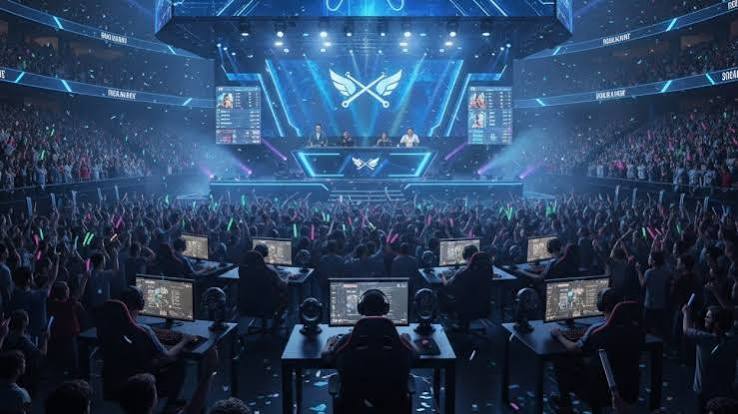
Digital entertainment has transformed the way people communicate, compete, and participate in shared experiences. Instead of enjoying games and online activities alone, modern audiences increasingly look for opportunities to interact with other participants in real time. This shift has created growing interest in multiplayer events that combine entertainment, communication, competition, and community participation. The concept behind multiplayer event thehakevent reflects this changing environment by focusing on experiences where multiple participants can become part of the same digital activity. Such events can bring together players with different interests, backgrounds, and skill levels while creating an environment built around interaction. As technology continues to improve, multiplayer experiences can become more accessible, engaging, and flexible. From competitive challenges to cooperative activities, these events can encourage people to participate rather than simply watch. Understanding the structure and possibilities of modern multiplayer events helps explain why this format continues to attract attention across digital communities.
What Makes Multiplayer Events Different?
A multiplayer event differs from a traditional digital activity because participation is usually built into the experience. Instead of interacting with content individually, users can communicate, cooperate, compete, or respond to other participants. This creates a more dynamic environment in which every participant can influence the overall experience. Depending on the event, players may work toward shared objectives, compete against opposing teams, complete timed challenges, or simply socialize while taking part in an activity.
The strength of this format comes from interaction. A well-designed multiplayer event can encourage communication and create memorable moments that would be difficult to achieve through a single-player experience. Technology also allows organizers to design events around different participation styles. Some users may prefer competition, while others enjoy teamwork and social interaction. By combining these elements, digital events can appeal to a broader audience. This flexibility is one reason multiplayer formats have become an important part of online entertainment and community building.
The Concept Behind Multiplayer Event TheHakevent
The idea of multiplayer event thehakevent can be connected with the broader evolution of digital gatherings. Modern participants often expect online experiences to offer more than passive content. They want opportunities to interact with other people, share experiences, and feel involved in what is happening. Multiplayer events answer this demand by creating a digital environment where participation becomes an essential part of the experience.
A successful event can combine structured activities with social features to keep participants engaged. For example, an event may include team-based challenges, interactive competitions, virtual meeting spaces, discussion areas, or scheduled activities. The exact format can change according to the intended audience and purpose. What remains important is the ability to make participants feel connected. When people have opportunities to communicate and contribute, an online event can develop a stronger sense of community. This approach also gives organizers more ways to create distinctive experiences instead of relying on conventional event formats.
Building Stronger Player Connections
One of the most valuable features of multiplayer experiences is their ability to connect people. Players may enter an event without knowing one another but gradually develop relationships through shared activities. Cooperation can create familiarity, while friendly competition can encourage participants to communicate and interact more frequently.
Communication tools are particularly important in this environment. Text chats, voice communication, reaction features, team systems, and other interactive functions can make participation feel more immediate. These features can also help players coordinate strategies and solve challenges together. When communication is easy to access, participants can spend more time focusing on the experience rather than dealing with complicated technical processes.
The social aspect of multiplayer event thehakevent can therefore be just as important as the activity itself. People often remember digital events because of the interactions they had with others. Creating opportunities for conversation, collaboration, and friendly competition can help an event become more memorable and encourage participants to return to future activities.
The Role of Technology in Multiplayer Events
Technology provides the foundation for modern multiplayer experiences. Reliable internet connections, cloud-based services, real-time communication systems, mobile devices, computers, and gaming platforms can all contribute to the development of interactive events. These technologies allow participants from different locations to enter the same digital environment without needing to meet physically.
Real-time synchronization is particularly important. Participants expect actions and responses to occur quickly and consistently. Delays or technical interruptions can reduce engagement, especially during competitive activities. Event organizers therefore need to consider performance, accessibility, device compatibility, and platform stability when planning multiplayer experiences.
Emerging technologies can also introduce new possibilities. Improved graphics, artificial intelligence, virtual environments, live streaming, and interactive interfaces may help make digital events increasingly immersive. However, technology should support the experience rather than become the sole focus. A successful multiplayer event still needs clear objectives, enjoyable activities, and an environment that encourages meaningful participation.
Encouraging Teamwork and Competition
Teamwork is one of the central elements of many multiplayer events. Participants can be assigned shared objectives that require communication and cooperation. When every player contributes a different ability or strategy, the group can become more effective than an individual participant working alone. This structure can make simple activities feel more engaging because success depends on collective participation.
Competition offers another important dimension. Leaderboards, timed challenges, tournaments, and achievement systems can provide participants with goals to pursue. Healthy competition can increase motivation and encourage players to remain active throughout an event. However, event design should consider different skill levels so that new participants do not feel excluded.
A balanced multiplayer experience can therefore combine cooperation and competition. Teams can compete against one another while members cooperate internally. This creates multiple layers of interaction and gives participants different reasons to remain involved. The result can be an event that feels active, social, and rewarding without depending entirely on a single activity.
Creating an Engaging Digital Atmosphere
The atmosphere of an online event can strongly influence how participants experience it. Visual presentation, sound, communication tools, event themes, schedules, and interactive features can all contribute to the overall environment. A clear structure can help participants understand what they should do and when activities will take place.
Organizers can also introduce themes to give an event a distinctive identity. A particular story, challenge, seasonal concept, or competitive format can help participants understand the purpose of the gathering. When the theme is supported by appropriate activities, it can make the experience feel more cohesive.
For multiplayer event thehakevent, creating an engaging atmosphere means thinking about the entire participant journey. Registration, entry, communication, gameplay, breaks, challenges, and closing activities should work together. Even small details can influence whether users feel that they are participating in a carefully planned experience or simply accessing another online activity.
Accessibility and Inclusive Participation
As multiplayer events attract broader audiences, accessibility becomes increasingly important. Participants may use different devices, have different internet speeds, or possess varying levels of technical knowledge. An event that requires expensive equipment or complicated setup could prevent some interested users from participating.
Simple interfaces, clear instructions, flexible participation options, and compatibility with commonly used devices can help reduce these barriers. Organizers can also consider different communication preferences and provide understandable guidance before the event begins. These measures can make participation easier for newcomers while still providing enough depth for experienced users.
Inclusivity can also involve designing activities that reward different strengths. Some participants may excel at strategy, while others may contribute through communication, creativity, coordination, or problem-solving. A varied event structure can give more people opportunities to contribute meaningfully. This approach can strengthen community participation and create a more welcoming digital environment.
How Multiplayer Events Can Support Communities
Multiplayer events can become more than temporary entertainment when they create lasting communities. Participants who enjoy an event may continue communicating afterward through online groups, discussion spaces, or future activities. Over time, these interactions can form communities based on shared interests.
Community building requires consistency. Regular events, recurring challenges, communication opportunities, and recognizable themes can encourage people to return. Organizers can also use participant feedback to improve future events. Listening to the audience helps identify which activities created engagement and which areas require improvement.
The community potential of multiplayer event thehakevent comes from this combination of shared participation and continued interaction. When people feel that they belong to an active group, an individual event can become part of a larger digital experience. This can increase interest in future activities and encourage participants to invite friends or introduce new members to the community.
The Future of Multiplayer Digital Events
The future of multiplayer events is likely to involve greater interaction, improved accessibility, and more personalized experiences. Artificial intelligence may assist with event management, matchmaking, moderation, recommendations, and personalized challenges. Cloud technology can continue supporting large-scale participation, while improved communication tools can make online interaction more natural.
Virtual and augmented environments may also create additional possibilities. Participants could eventually move through shared digital spaces, interact with virtual objects, and experience events in ways that feel more immersive than traditional screens. At the same time, mobile technology can make participation increasingly convenient by allowing users to join activities from different locations.
The development of multiplayer event thehakevent can be viewed within this broader movement toward interactive digital experiences. The most successful events will likely be those that combine technological innovation with simple, enjoyable participation. Technology can create possibilities, but strong event concepts and genuine community interaction will remain essential.
Tips for Organizing a Successful Multiplayer Event
Organizing an effective multiplayer event requires planning before participants arrive. The event objective should be clearly defined, whether the focus is competition, teamwork, entertainment, networking, or community engagement. Once the objective is established, organizers can select activities and technologies that support it.
Testing is another essential stage. Technical problems can interrupt an otherwise enjoyable experience, so organizers should test communication systems, registration processes, game mechanics, device compatibility, and event schedules. Providing participants with instructions before the event can also reduce confusion.
During the event, organizers should monitor participation and respond to technical or communication issues quickly. Moderation can help maintain a respectful environment, while feedback collected afterward can guide future improvements. A successful event is not necessarily the one with the most complicated technology. Instead, it is the one where participants understand what is happening, enjoy taking part, and feel connected to the experience.
Why Interactive Events Continue to Grow
The growing popularity of interactive digital events reflects a broader change in how people use technology. Audiences are no longer limited to watching or reading content. They increasingly expect opportunities to participate, communicate, create, and respond in real time. Multiplayer events provide a natural environment for this type of engagement.
Another factor is convenience. Participants can join digital events without traveling to a physical venue. This can make it possible for people from different cities or countries to participate in the same activity. Digital access can therefore expand the potential audience while creating new forms of social interaction.
As online communities continue developing, multiplayer events can become an important way to maintain connections. They offer structured reasons for people to gather while combining entertainment with communication. This makes them relevant not only to gaming communities but also to broader digital audiences interested in interactive experiences.
Conclusion
Multiplayer events represent an evolving form of digital entertainment and social interaction. By combining communication, teamwork, competition, and shared participation, they can create experiences that feel more engaging than traditional individual activities. The concept of multiplayer event thehakevent fits within this wider transformation, highlighting how digital gatherings can bring people together around interactive experiences.
The future of multiplayer events will depend on thoughtful design as much as technological development. Reliable platforms, accessible interfaces, engaging activities, effective communication, and strong community features can all contribute to a successful experience. As digital participation continues to grow, multiplayer events are likely to remain an important way for people to connect, compete, cooperate, and enjoy shared experiences in increasingly creative environments.