

Introduction
Gaming has developed far beyond simply sitting down with a controller and completing a single-player campaign. Modern players are looking for experiences that combine entertainment, competition, creativity, social interaction, and discovery. Online communities, multiplayer platforms, gaming conventions, esports competitions, digital events, and interactive experiences have created a much broader gaming culture. As new technologies and creative ideas continue to influence the industry, players have more opportunities than ever to discover different ways of enjoying their favorite games.
In this changing environment, platforms and gaming-focused communities can play an important role in bringing people closer to new experiences. thehakevent represents an opportunity to explore gaming through events, stories, community activities, entertainment concepts, and discussions surrounding the wider gaming world. Whether someone enjoys competitive multiplayer games, immersive adventures, strategy titles, independent projects, or gaming-related events, discovering something new can make the overall experience more interesting.
The modern gaming audience is also highly diverse. Some players prefer intense competition, while others enjoy relaxed social sessions or narrative-driven adventures. Younger audiences may be interested in emerging technologies and multiplayer trends, whereas experienced players may appreciate classic gaming concepts presented in fresh ways. This variety makes gaming events and communities valuable because they create spaces where different interests can come together.
Understanding the Modern Gaming Experience
A gaming experience is no longer defined only by the game itself. The surrounding community, event environment, online conversations, competitions, content creators, updates, and player interactions can all influence how people engage with a title. A player might discover a new game through an event, meet other players through a community activity, and eventually become interested in competitive tournaments or creative gaming projects.
This broader approach has changed the expectations of players. They want experiences that feel active rather than repetitive. Developers and event organizers are responding by creating seasonal events, limited-time activities, community challenges, digital gatherings, tournaments, and interactive showcases. These activities can provide additional reasons for players to return and participate even after they have completed the main content of a game.
Another important development is the increasing role of social interaction. Multiplayer gaming has become a major way for friends and communities to stay connected. Voice communication, streaming, online tournaments, and community platforms allow players to share experiences even when they are located in different cities or countries. Gaming events build on this concept by giving people opportunities to interact around a shared interest.
How Thehakevent Can Support Gaming Discovery
The value of thehakevent can be understood through the idea of discovery. Gamers often encounter new titles, events, communities, and gaming concepts because another player introduces them to something unfamiliar. A well-organized gaming-focused platform can make this discovery process easier by presenting different forms of gaming content in an accessible and engaging way.
For example, someone primarily interested in action games may discover an upcoming community event involving strategy games. Another player who usually plays casually might become interested in an esports competition after learning more about the competitive side of gaming. These discoveries can expand a player’s interests and create opportunities to experience gaming from a different perspective.
Gaming discovery is particularly important because the industry produces an enormous amount of content. Thousands of games, events, updates, tournaments, and community activities compete for attention. Players can easily miss interesting experiences simply because they do not know they exist. Platforms focused on gaming events and stories can help organize these possibilities into a more understandable experience.
Exploring Different Types of Gaming Events
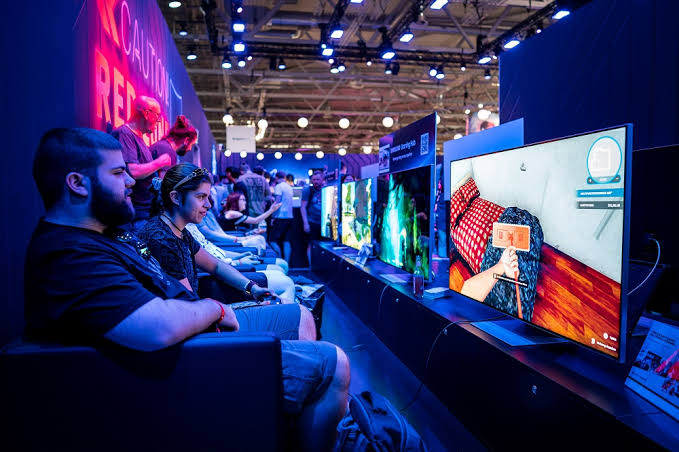
Gaming events can take many forms, and each type offers something different. Large gaming conventions may showcase upcoming releases, hardware, demonstrations, and developer presentations. Esports tournaments focus on competition and professional-level performance. Community events may concentrate on social interaction, challenges, fan activities, or collaborative gaming sessions.
Digital events have also become an important part of the modern gaming environment. Players can participate from home without needing to travel to a physical venue. Online tournaments, livestreamed showcases, virtual competitions, and community challenges can reach audiences across different locations. This accessibility makes gaming events easier for more people to experience.
| Event Type | Main Focus | Typical Player Experience |
|---|---|---|
| Gaming Convention | Games, technology, showcases | Discover upcoming experiences |
| Esports Tournament | Competition and skill | Watch or participate in competitive matches |
| Community Event | Social interaction | Meet and interact with other players |
| Online Gaming Event | Digital participation | Join activities remotely |
| Game Showcase | New releases and announcements | Learn about upcoming games |
The variety of event formats means players can select experiences based on their interests. Someone who enjoys competition may prefer esports, while a player interested in upcoming releases may enjoy a showcase. Community-focused events can be particularly appealing to people who value social interaction as much as gameplay.
Competitive Gaming and Esports
Competitive gaming has become a major part of gaming culture. Esports events bring players together to compete in structured environments where teamwork, strategy, timing, communication, and decision-making are essential. Spectators can also become part of the experience by following tournaments, supporting teams, discussing matches, and learning about professional gameplay.
The growth of competitive gaming has influenced how people think about games. A title that appears simple when played casually can become highly complex when approached competitively. Players begin studying strategies, analyzing opponents, improving mechanical skills, and understanding game-specific systems. Events can introduce audiences to this deeper side of gaming.
thehakevent can fit naturally into this wider conversation by highlighting the different ways gaming communities engage with competitive experiences. Competitive gaming does not have to be limited to professional players. Amateur tournaments, community competitions, local events, and friendly challenges can provide opportunities for everyday gamers to participate.
Social and Community Gaming
One of the strongest characteristics of modern gaming is its ability to create communities. Players frequently build friendships around shared games, favorite characters, gaming genres, and competitive interests. Community gaming can transform an individual activity into a social experience where people communicate, collaborate, compete, and exchange ideas.
Community events are especially useful for this purpose because they create a specific reason for players to interact. A multiplayer challenge, themed gaming session, tournament, or discussion can bring together people who might otherwise never meet. These experiences can make gaming feel more connected and meaningful.
For thehakevent, the community element is an important part of the overall concept. Gaming is constantly evolving through player-created content, conversations, reactions, creative projects, and shared experiences. A gaming event is not simply about what happens on a screen; it can also be about the people participating around that experience.
The Role of New Technology in Gaming Events
Technology continues to change how games are created and experienced. Improvements in graphics, sound, connectivity, artificial intelligence, cloud services, virtual environments, and interactive systems are creating new possibilities for developers and event organizers. Players are increasingly exposed to experiences that can feel more immersive, responsive, and connected.
Virtual and augmented reality are examples of technologies that have the potential to influence gaming events. Instead of watching a traditional screen, participants can enter interactive environments or experience digital content from new perspectives. Although adoption varies depending on hardware and accessibility, these technologies demonstrate how gaming experiences can continue to evolve.
Artificial intelligence is another area receiving significant attention across the technology and gaming industries. AI can support aspects such as game development, character behavior, personalization, testing, content creation, and player interaction. As these technologies mature, gaming events may increasingly showcase experiences that would have been difficult to create using older development approaches.
Discovering Independent and Emerging Games
Not every interesting gaming experience comes from a major publisher. Independent developers continue to produce creative games that experiment with storytelling, mechanics, visual design, sound, and unusual gameplay concepts. These projects can introduce players to ideas that may not fit traditional commercial formulas.
Gaming events can provide independent developers with valuable opportunities to showcase their work. Players attending these events may discover smaller projects before they become widely recognized. This creates a more diverse gaming environment where innovation can come from both established studios and emerging creators.
For players, exploring independent gaming can also be a refreshing alternative to repeatedly playing familiar franchises. A smaller game may introduce a unique mechanic, unexpected story structure, or distinctive artistic style. thehakevent can be associated with this broader discovery mindset, encouraging audiences to remain open to different types of gaming experiences.
What Players Can Look For in a Gaming Event
Choosing an event does not have to be complicated. Players can consider what they want to gain from the experience and then look for events that match those interests.
- Competitive tournaments and esports matches
- New game demonstrations and showcases
- Community-focused activities and challenges
- Technology, gaming culture, and creative experiences
The quality of an event is often influenced by organization, accessibility, participant engagement, and the variety of activities available. An event that allows people to actively participate may create a stronger experience than one that simply presents information. At the same time, showcase-style events can be valuable for players who mainly want to learn about upcoming games and technologies.
Why Gaming Events Matter to the Industry
Gaming events contribute to the wider industry by connecting developers, publishers, players, creators, communities, and technology companies. They provide opportunities to demonstrate new products, collect audience reactions, introduce upcoming projects, and create conversations around gaming.
For developers, direct engagement with players can offer useful insight. Players can communicate what they enjoy, what they find challenging, and what features they would like to see improved. For communities, events provide opportunities to celebrate shared interests and discover new forms of entertainment.
Events can also contribute to gaming culture by preserving older traditions while introducing new ideas. Classic gaming competitions, retro experiences, modern esports, indie showcases, and technology demonstrations can exist within the same broader ecosystem. This combination of old and new helps keep gaming culture dynamic.
How Players Can Get More From Gaming Communities
Simply attending an event is only one part of the experience. Players can become more involved by discussing games with other participants, trying unfamiliar genres, joining competitions, following announcements, or sharing their own gaming experiences. Participation often makes an event more memorable because players become part of the community rather than passive observers.
thehakevent can be viewed within this larger movement toward interactive gaming culture. The most interesting gaming experiences often develop when players actively engage with content and with one another. Whether someone is discussing a new release, competing in a tournament, attending a virtual event, or discovering an independent project, participation can create additional value.
Gaming communities can also encourage learning. Competitive players learn strategies, content creators develop communication skills, developers study audience reactions, and casual players discover new genres. This makes gaming events useful not only as entertainment but also as spaces for creativity, collaboration, and knowledge exchange.
The Future of Gaming Events
The future of gaming events is likely to involve an even stronger combination of physical and digital experiences. Traditional conventions may continue to attract large audiences, while virtual participation can allow people from distant locations to take part. Hybrid events could provide physical attendees with immersive experiences while giving online audiences access to selected activities.
Personalization may also become more important. As gaming platforms collect more information about player interests and preferences, event experiences could become increasingly tailored. Instead of presenting the same activities to everyone, future events may offer different paths depending on whether a participant is interested in competitive gaming, technology, storytelling, social activities, or independent development.
The gaming industry will also continue to change alongside hardware and software development. Faster networks, improved devices, new interaction methods, and evolving game engines can create new event possibilities. thehakevent can therefore be considered in the context of a gaming environment where discovery and innovation are becoming increasingly important.
FAQs
What is the purpose of a gaming event?
A gaming event can bring players, developers, creators, and communities together around shared gaming interests. Depending on its format, it may feature competitions, showcases, demonstrations, social activities, announcements, or opportunities to discover new games.
Why are gaming communities important?
Gaming communities allow players to communicate, share strategies, discuss games, participate in activities, and develop connections with people who have similar interests. They can make gaming more social and encourage players to explore experiences outside their usual preferences.
What types of games can be featured at gaming events?
Gaming events can include almost any genre, including action, adventure, strategy, simulation, sports, role-playing, racing, puzzle, survival, and independent games. The selection depends on the goals and audience of the individual event.
How is technology changing gaming events?
Technology is making gaming events more interactive and accessible. Online participation, streaming, virtual environments, advanced graphics, artificial intelligence, and emerging hardware can all influence how audiences experience gaming-related activities.
Can casual players enjoy gaming events?
Yes. Gaming events are not necessarily designed only for professional competitors. Many events include demonstrations, community activities, entertainment, social sessions, and opportunities to discover new games that can appeal to casual players.
Why should gamers explore new experiences?
Exploring unfamiliar games and events can introduce players to different gameplay styles, communities, technologies, stories, and creative ideas. It can prevent gaming routines from becoming repetitive and help players discover interests they may not have considered previously.
Conclusion
Gaming continues to expand into a diverse ecosystem where entertainment, technology, competition, creativity, and community overlap. Modern players have access to more experiences than ever before, from esports competitions and digital showcases to community events and independent game discoveries. This variety means that gaming can offer something different depending on the interests and expectations of each player.
The concept behind thehakevent fits into this changing environment by focusing attention on gaming experiences, events, discoveries, and the communities that make them meaningful. As technology continues to evolve and players become increasingly connected, gaming events can serve as important spaces for discovering new ideas and meeting people who share similar interests.
Ultimately, the future of gaming will not be shaped by games alone. Communities, events, emerging technologies, independent creators, competitive platforms, and player participation will all contribute to how gaming develops. For anyone interested in exploring the wider gaming world, keeping an open mind toward new experiences can make the journey more engaging, social, and rewarding.