

Introduction
The gaming world has developed far beyond traditional video games played on a single console or computer. Today, gaming connects competitive players, content creators, developers, event organizers, streamers, technology enthusiasts, and online communities. Gaming events have become important spaces where people can experience new releases, watch competitive matches, discover creative ideas, and interact with other enthusiasts. As this industry continues to change, readers increasingly look for platforms that bring together different stories and developments in one convenient place. Thehakevent fits into this broader environment by representing a space focused on gaming events, emerging trends, entertainment discussions, and the evolving culture surrounding digital games.
Modern gaming culture is also influenced by developments outside the games themselves. Advances in hardware, streaming platforms, esports, virtual experiences, social communities, and interactive entertainment are changing how people discover and enjoy gaming. A major event can introduce a new title, showcase innovative technology, or create conversations that continue across social platforms long after the event has ended. Understanding these developments requires looking beyond individual games and considering the wider ecosystem. Thehakevent can therefore be explored as a topic connected with the many stories shaping the modern gaming experience.
The Changing Landscape of Gaming Events
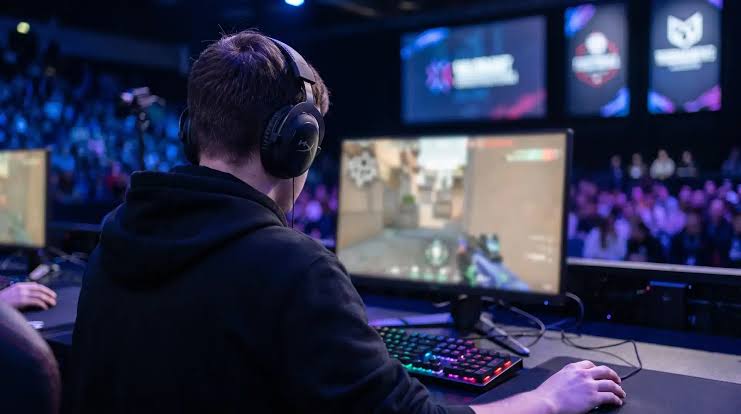
Gaming events have transformed significantly over the past decade. Earlier events often focused primarily on product demonstrations, console launches, tournaments, or developer presentations. Today, major gaming gatherings can combine competitions, live entertainment, creator appearances, community activities, demonstrations, merchandise, technology showcases, and opportunities for players to meet in person. This broader format has made gaming events more accessible to different types of audiences, including casual players who may not participate in competitive gaming.
The growth of online communities has also changed what happens before and after an event. A gaming event can now generate discussions months before it begins through announcements, previews, rumors, developer updates, and community speculation. During the event, livestreams and social media allow audiences who cannot attend physically to follow important moments. Afterward, players can continue discussing announcements, gameplay experiences, technical developments, and competitive results. This continuous cycle gives gaming events a much longer cultural life than the event itself.
Why Gaming Communities Matter
Communities are one of the strongest elements of modern gaming. Players frequently exchange strategies, recommendations, opinions, screenshots, gameplay clips, and experiences through online platforms. These interactions help transform individual gaming experiences into shared cultural moments. A new game may attract attention because of its mechanics, but community discussions can determine which features receive the most attention and how long conversations continue.
Thehakevent reflects this broader idea of gaming as a community-driven form of entertainment. Instead of viewing gaming simply as a product category, modern audiences often see it as a combination of technology, storytelling, competition, creativity, and social interaction. This perspective makes gaming-related content more useful when it explains not only what is happening but also why a particular trend or event matters to players.
Emerging Trends Influencing Modern Gaming
The gaming industry is constantly experimenting with new technologies and formats. Cloud gaming, artificial intelligence, improved graphics technologies, virtual and augmented experiences, cross-platform play, and increasingly sophisticated online services are influencing expectations. Players are becoming more accustomed to seamless digital experiences and expect games to offer meaningful content, reliable performance, and active communities.
Artificial intelligence is another development receiving increasing attention throughout the technology and gaming industries. AI can be used in areas such as game development, character behavior, testing, personalization, accessibility, and content creation. Its growing presence creates opportunities while also raising questions about originality, development practices, player expectations, and responsible use. Gaming publications and communities are increasingly interested in understanding these changes rather than simply reporting that a new technology exists.
The Growth of Competitive Gaming
Competitive gaming has become an important part of the broader entertainment ecosystem. Esports tournaments can attract professional players, dedicated spectators, content creators, sponsors, and large online audiences. Competitive gaming also creates career opportunities in areas beyond professional play, including broadcasting, event management, coaching, production, journalism, community management, and content creation.
Thehakevent can be understood within this expanding environment because gaming events and competitive experiences increasingly overlap. A modern gaming gathering may include a tournament alongside demonstrations, creator sessions, community competitions, and technology showcases. This combination creates a more complete experience for audiences who enjoy both watching games and participating in gaming culture.
Gaming Technology and the Player Experience
Technology remains one of the biggest forces behind gaming’s development. Faster processors, high-refresh-rate displays, improved graphics hardware, advanced controllers, virtual reality systems, and better networking infrastructure have expanded what developers can create. These improvements are not simply about visual quality. They can influence responsiveness, accessibility, immersion, multiplayer performance, and the overall way players interact with digital environments.
For example, improvements in networking have made multiplayer gaming more accessible across geographical boundaries. Cross-platform functionality can allow players using different devices to participate in the same experience, while cloud-based services can reduce some of the hardware barriers traditionally associated with gaming. These developments demonstrate how technological progress can influence gaming habits as much as individual game releases do.
| Gaming Area | Current Development | Potential Player Impact |
|---|---|---|
| Competitive Gaming | More organized tournaments and broadcasts | Greater opportunities for spectators and competitors |
| Cloud Gaming | Growing interest in streamed game access | Greater flexibility across supported devices |
| AI in Gaming | Increased experimentation with AI-assisted systems | New possibilities for development and gameplay |
| Virtual Experiences | More immersive interactive environments | Deeper forms of player engagement |
| Gaming Communities | Stronger creator and social ecosystems | More discussion and shared experiences |
The Role of Multiple Stories in Gaming Content
Gaming audiences rarely follow only one type of story. One reader may be interested in a tournament announcement while another wants to understand a new gaming device. Someone else may be interested in community trends, game development, creator culture, or upcoming entertainment experiences. A useful gaming-focused platform therefore needs room for multiple perspectives and topics rather than limiting itself to one narrow category.
Thehakevent represents an approach where different stories can exist within the same broader gaming conversation. This makes the concept particularly relevant to readers who want to explore gaming from multiple angles. Instead of treating every development as an isolated headline, readers can consider how events, technology, entertainment, and communities influence one another.
How Gaming Events Create Lasting Experiences
A successful gaming event is not defined only by the number of announcements made on a stage. The atmosphere, community interaction, competitive excitement, demonstrations, and memorable moments can all contribute to its impact. Physical events allow fans to meet people who share similar interests, while online events can provide accessibility to audiences around the world.
Events can also create opportunities for smaller communities and emerging creators to gain visibility. Independent developers, new streamers, tournament organizers, and creative teams can use events to present their work and connect with audiences. This diversity makes gaming events valuable not only for established companies but also for people developing new ideas within the industry.
From Announcements to Community Conversations
A major announcement may last only a few minutes, but its discussion can continue for weeks. Players analyze trailers, compare features, discuss gameplay systems, and form expectations about upcoming releases. Content creators may produce reactions and explanations, while communities debate potential changes or improvements.
This continuing conversation is one reason gaming content remains highly dynamic. Thehakevent can be associated with this wider cycle of discovery, discussion, and community engagement. Readers are not necessarily looking for a single piece of information; they may want context that helps them understand how individual developments fit into the larger gaming landscape.
What Readers Can Explore in Modern Gaming Coverage
A broad gaming-focused publication or content concept can cover several interconnected areas. Rather than presenting these subjects as completely separate categories, they can be connected through the experiences of players and communities.
- Gaming events and tournament developments.
- New technologies and gaming hardware.
- Community and creator trends.
- Digital entertainment and interactive experiences.
- Emerging ideas influencing the future of gaming.
This variety allows readers to move naturally between topics. Someone discovering a tournament story may become interested in esports technology, while a reader exploring new hardware may become interested in the games designed to take advantage of it. Good gaming content creates these connections without making the reader feel overwhelmed.
The Importance of Accessible Gaming Information
As gaming becomes more complicated, accessible explanations become increasingly valuable. Technical terminology can sometimes make new developments difficult for casual players to understand. Explaining a technology in practical terms can make information useful to both experienced gamers and newcomers.
For example, rather than simply stating that a game uses a particular graphics technology, informative content can explain how that technology may influence lighting, performance, visual detail, or hardware requirements. Similarly, discussions about esports can explain tournament structures and competitive formats instead of assuming that every reader already understands them. This approach helps gaming content reach a wider audience.
Thehakevent can be positioned around this type of accessible discovery, where readers can encounter gaming stories without needing extensive specialist knowledge. Clear explanations, practical examples, and context can turn a simple trend into a meaningful learning opportunity.
Looking Ahead at Gaming Trends
The future of gaming is likely to involve continued experimentation across technology, entertainment, and community experiences. Developers are exploring new ways to build interactive worlds, while players are increasingly comfortable moving between games, livestreams, social communities, and creator content. The boundaries between gaming and other forms of digital entertainment continue to become less distinct.
One important change is the increasing importance of personalization. Players have different preferences regarding difficulty, accessibility, competitive intensity, storytelling, social interaction, and visual presentation. Future gaming experiences may continue to provide more ways for users to customize how they interact with content. At the same time, developers and event organizers will need to balance innovation with reliability, accessibility, and responsible design.
Building a Stronger Gaming Culture
Gaming culture is ultimately shaped by people. Technology can provide new possibilities, but communities determine how those possibilities are experienced and remembered. Events bring people together, games provide shared experiences, and creators help audiences discover new ideas. This combination creates a culture that continues to evolve with every generation of players.
Thehakevent can therefore be viewed as part of a wider conversation about how gaming is changing. Its relevance comes from the connection between events, trends, technology, entertainment, and community participation. When these subjects are considered together, gaming becomes easier to understand as a constantly developing cultural and technological space rather than simply a form of recreation.
FAQs
What is Thehakevent about?
Thehakevent can be explored as a gaming-focused topic covering events, trends, community discussions, digital entertainment, and developments influencing modern gaming. Its broad theme allows readers to discover different types of gaming stories within one overall subject.
Why are gaming events becoming more important?
Gaming events provide opportunities for announcements, competitions, demonstrations, community interaction, and entertainment. They can bring together developers, players, creators, and spectators while generating conversations that continue online after the event.
What gaming trends are currently attracting attention?
Several areas are receiving attention, including cloud gaming, artificial intelligence, esports, immersive technologies, cross-platform experiences, creator communities, and improved gaming hardware. The importance of each trend can vary depending on the audience and type of gaming experience involved.
How do gaming communities influence the industry?
Gaming communities influence the industry by sharing feedback, discussing new releases, creating content, organizing competitions, and spreading information. Community reactions can contribute to broader conversations around games, technologies, and events.
Can gaming events benefit new players?
Yes. Gaming events can introduce newcomers to different games, technologies, communities, and competitive formats. They can also provide educational demonstrations and opportunities to learn from experienced players and creators.
Why should readers follow multiple gaming stories?
Following multiple stories provides a broader understanding of the industry. Gaming developments often overlap, so learning about events, technology, esports, and community trends together can help readers understand how different parts of the gaming ecosystem are connected.
Conclusion
Gaming continues to evolve through a combination of technology, creativity, competition, and community participation. Events are becoming broader experiences, while online platforms allow conversations to continue across geographical boundaries. At the same time, developments such as AI, cloud gaming, immersive technologies, and esports are creating new possibilities for players and creators.
Thehakevent captures the idea of exploring gaming through multiple stories rather than focusing on only one part of the industry. From event experiences and competitive gaming to emerging technologies and community trends, the modern gaming landscape offers countless subjects for discovery. As the industry continues to change, informative and accessible coverage can help readers understand not only what is new but also how those developments are shaping the future of gaming and digital entertainment.