

Introduction
Gaming has evolved far beyond a simple form of entertainment. Today, it is a global digital culture connecting players, creators, developers, esports competitors, streamers, and technology companies. New platforms, game releases, artificial intelligence, cloud gaming, virtual experiences, and changing player expectations continue to reshape the industry. In this rapidly developing environment, staying informed about what is happening can help players understand not only what is popular now but also where gaming could be heading next. Thehakevent represents a useful topic for exploring these developments and understanding the many stories influencing the gaming world.
The modern gaming audience is also more diverse than ever. Some players enjoy competitive multiplayer games, while others prefer immersive single-player adventures, simulation titles, mobile games, indie experiences, or social gaming environments. At the same time, gaming communities increasingly follow esports tournaments, hardware launches, developer announcements, updates, and industry discussions. Thehakevent can be viewed as a destination concept for following these different areas together, helping readers discover stories that go beyond individual game releases.
Understanding the Changing Gaming Landscape
The gaming industry is currently shaped by several trends happening simultaneously. Game development is becoming increasingly ambitious, while players are expecting better performance, richer worlds, meaningful storytelling, and regular post-launch content. Games that once ended after release can now receive years of updates, expansions, seasonal content, balance changes, and community-driven improvements. This has changed the relationship between developers and players because a game’s success is no longer determined entirely on launch day.
Another major change is the increasing importance of online communities. Players regularly communicate through social platforms, livestreaming services, gaming forums, and in-game communities. A new game can gain attention quickly when creators showcase it to large audiences. Likewise, a developer’s update can generate significant discussion within hours. This fast-moving environment makes gaming news more dynamic and gives communities a stronger influence over which games become popular.
Major Gaming Trends Shaping 2026
Artificial Intelligence and Game Development
Artificial intelligence continues to attract attention across the gaming industry. Developers are exploring AI-assisted workflows for areas such as testing, animation, dialogue systems, procedural content, personalization, and development support. The technology does not necessarily replace creative teams; instead, it can assist them with repetitive tasks and help accelerate certain parts of production.
AI can also influence the player experience. Future games may use more responsive non-player characters that react differently depending on player behavior. Instead of following a small collection of predictable responses, characters could potentially create more dynamic interactions. However, responsible implementation remains important because players still value authentic storytelling, human creativity, fairness, and carefully designed gameplay.
For readers following thehakevent, AI is therefore an important trend to watch. Its impact extends from the development studio to the final gaming experience, making it one of the technologies most likely to influence how games are created and played.
Cloud Gaming and Flexible Access
Cloud gaming has continued to develop as internet infrastructure and streaming technologies improve. Rather than relying entirely on powerful local hardware, cloud-based services can process games remotely and stream gameplay to supported devices. This concept could make high-quality gaming more accessible to people who do not own expensive gaming computers or consoles.
However, cloud gaming still depends heavily on internet quality, latency, service availability, pricing, and regional infrastructure. For competitive games, even small delays can affect performance. As technology improves, reducing latency and providing reliable access will remain essential. The broader idea is significant because gaming is increasingly becoming less tied to a single physical device.
The Continued Growth of Esports
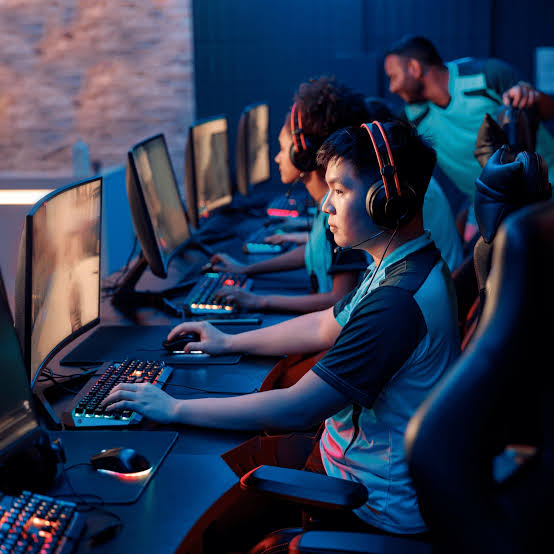
Esports has become an important part of gaming culture, transforming competitive games into organized entertainment with professional players, teams, tournaments, commentators, and large online audiences. Competitive titles can generate enormous communities, and major events often attract viewers who may not personally participate in professional competition.
The development of esports also creates opportunities beyond professional players. Tournament organizers, coaches, analysts, broadcasters, content creators, designers, and community managers all contribute to the ecosystem. This demonstrates how gaming has developed into a wider digital industry rather than remaining limited to game ownership and casual play.
The growth of esports also encourages developers to focus more heavily on competitive balance. Small gameplay changes can have major consequences for professional teams, which means developers must carefully evaluate updates and listen to community feedback. Thehakevent can be especially relevant to readers interested in tracking these competitive developments alongside broader gaming stories.
New Gaming Experiences Beyond Traditional Screens
Gaming experiences are becoming increasingly diverse. Virtual reality and mixed-reality technologies continue to explore ways of placing players inside interactive environments. Although these technologies face challenges involving hardware costs, comfort, content availability, and accessibility, they provide opportunities for experiences that traditional displays cannot completely replicate.
Immersive technology can be especially interesting for simulation, education, exploration, fitness, and social interaction. Instead of simply controlling a character from a distance, players can interact with environments using physical movement and spatial interfaces. The future of these experiences will depend on whether developers can create software that makes the technology genuinely useful rather than treating immersion as a novelty.
At the same time, traditional gaming remains extremely strong. Not every player wants a headset or specialized equipment. Many people continue to prefer a controller, keyboard, mouse, or mobile touchscreen. The industry’s future will therefore likely involve several gaming formats existing together rather than one technology completely replacing another.
Mobile Gaming Remains a Powerful Force
Mobile gaming continues to play a major role because smartphones are widely available and convenient for everyday entertainment. Mobile games cover everything from short puzzle sessions to competitive multiplayer experiences and large-scale role-playing titles. Developers have increasingly focused on improving graphics, controls, multiplayer functionality, and social features.
One of the biggest strengths of mobile gaming is accessibility. A player does not necessarily need a dedicated console or computer to participate. Games can be played while commuting, during breaks, or at home. However, mobile developers also face challenges around monetization, advertising, privacy, player retention, and maintaining a positive user experience.
As mobile hardware becomes more capable, the boundary between mobile and traditional gaming continues to change. Thehakevent can help frame these developments as part of a broader gaming ecosystem where different platforms increasingly overlap.
Game Releases and the Importance of Community Feedback
A major game release can generate enormous excitement, but modern players are also paying closer attention to how developers support their products after launch. Updates can fix technical problems, improve accessibility, balance competitive mechanics, and introduce additional content. This means communication between developers and communities has become increasingly important.
Players often share detailed feedback immediately after release. Social media discussions, reviews, livestreams, and community conversations can influence public perception. Developers that respond constructively can strengthen trust, while poor communication may create frustration even when the underlying game has strong potential.
This is one reason gaming updates should not be viewed simply as announcements. They can reveal how a studio understands its audience and how willing it is to improve a product over time. Readers following thehakevent may find this ongoing relationship between developers and communities particularly interesting.
Gaming Hardware and Performance Improvements
Hardware remains another major area of development. Gaming PCs, consoles, handheld devices, monitors, controllers, graphics technologies, storage solutions, and accessories continue to improve. Players increasingly expect fast loading, stable performance, high-resolution visuals, responsive controls, and immersive audio.
Handheld gaming has also gained greater attention as portable devices become more powerful. Modern handheld systems can deliver experiences that were previously associated primarily with desktop computers or home consoles. This creates another interesting choice for consumers who want flexibility without giving up sophisticated games.
| Gaming Area | Current Direction | Why It Matters |
|---|---|---|
| AI | Smarter development and interactive systems | Can improve workflows and game experiences |
| Cloud Gaming | Remote game processing and streaming | Expands device flexibility |
| Esports | More organized competitive ecosystems | Strengthens gaming as spectator entertainment |
| Mobile Gaming | More advanced games on smartphones | Increases accessibility |
| Handheld Gaming | More powerful portable hardware | Combines mobility with performance |
| Immersive Technology | VR and mixed-reality experiences | Creates new interaction possibilities |
Hardware improvements also affect game design. Developers can build larger environments, more detailed characters, advanced physics systems, and sophisticated visual effects when hardware capabilities increase. However, better technology does not automatically produce better games. Strong design, engaging storytelling, balanced mechanics, and meaningful player experiences remain essential.
The Role of Gaming Communities
Gaming communities have become one of the industry’s strongest forces. Players exchange strategies, discuss updates, create fan content, report bugs, organize events, and recommend games to others. A passionate community can help a game remain relevant long after its initial launch.
Content creators also play a major role. A single gameplay video or livestream can introduce thousands of viewers to a previously unknown title. This has made discovery more social and less dependent on traditional advertising. Players often trust recommendations from creators and fellow community members because these opinions can feel more authentic.
Community participation can also help smaller developers compete for attention. Independent studios may not have the marketing budgets of major publishers, but an innovative game can gain momentum through word of mouth. This makes the modern gaming ecosystem more open to unexpected success stories.
Gaming Stories Worth Following
A strong gaming information platform should cover more than release announcements. Readers increasingly want context: Why does a particular trend matter? What does a technology mean for players? How might an industry change affect developers? Which developments are likely to remain important over time?
For thehakevent, this broader perspective can make gaming stories more useful. Instead of presenting isolated news items, content can connect different developments and explain their significance. For example, a story about a new handheld device can be connected to portable gaming trends, developer support, digital storefronts, hardware competition, and changing player preferences.
Useful gaming coverage can include:
- New game announcements and major updates
- Esports competitions and competitive gaming developments
- Gaming hardware and emerging technologies
- Community trends, creator culture, and industry changes
The value of this approach comes from context. Readers can understand not only what happened but also why it matters to the wider gaming community.
What Players Can Expect From the Future
The future of gaming will likely be defined by greater personalization, connectivity, accessibility, and technological experimentation. Games may become more responsive to individual players while continuing to offer shared online experiences. AI could assist development and create more dynamic systems, while cloud infrastructure could make gaming available across a wider range of devices.
At the same time, players will continue to care about fundamentals. A technically impressive game can still fail to engage audiences if its gameplay is repetitive or its storytelling lacks purpose. The most successful future games will likely combine advanced technology with strong creative direction.
Another important consideration is accessibility. As gaming becomes more widespread, developers are paying greater attention to players with different physical abilities, preferences, and hardware limitations. Customizable controls, subtitles, visual settings, difficulty options, and other accessibility features can make games available to a larger audience.
Why Staying Updated Matters
Gaming changes quickly enough that information can become outdated within a short period. A game that dominates conversations today may be replaced by a new release tomorrow. A hardware announcement can change purchasing decisions, while an unexpected developer update can completely change the direction of a popular title.
Following reliable gaming coverage allows players to make better-informed decisions. Whether someone wants to discover a new game, understand an industry trend, follow esports, or learn about emerging technologies, current information provides useful context.
This is where thehakevent can fit naturally into the broader conversation. By focusing on gaming trends, updates, technologies, communities, and multiple stories, it can appeal to readers who want a wider view of the industry rather than information about only one game.
FAQs About Modern Gaming Trends
What are the biggest gaming trends today?
Some of the most noticeable trends include AI-assisted game development, cloud gaming, mobile gaming, powerful handheld devices, esports, live-service updates, immersive technologies, and stronger online communities. These trends are developing simultaneously and often influence one another.
Why is AI important for the gaming industry?
AI can support developers with testing, content workflows, animation, procedural systems, and other tasks. It may also contribute to more dynamic game characters and personalized experiences. Its long-term importance will depend on how effectively studios combine automation with human creativity.
Is cloud gaming replacing consoles and PCs?
Cloud gaming is expanding the ways people can access games, but it is not simply replacing traditional hardware. Consoles and gaming PCs continue to provide advantages in performance, ownership, latency, and offline access. Cloud gaming is better understood as another option within a growing ecosystem.
Why is esports important to gaming?
Esports has transformed competitive gaming into a professional entertainment sector involving players, teams, tournaments, broadcasters, sponsors, and communities. It also influences how competitive games are balanced and updated.
How do gaming communities influence new games?
Communities can affect game popularity through reviews, discussions, livestreams, recommendations, feedback, and social content. Developers increasingly monitor community reactions to understand problems and identify opportunities for future updates.
What makes gaming news useful for players?
Useful gaming coverage provides both information and context. Rather than simply announcing a release or update, good coverage explains what changed, why it matters, and how it fits into broader developments affecting players and the industry.
Conclusion
Gaming is entering an increasingly connected and technology-driven period in which players, developers, creators, and communities all influence the direction of the industry. AI, cloud gaming, esports, mobile platforms, handheld devices, immersive experiences, and community-driven development are creating new possibilities while also introducing new challenges. Understanding these changes is becoming just as important as following individual game releases.
Thehakevent reflects the growing demand for broader gaming coverage that brings multiple stories and trends together. Whether readers are interested in emerging technologies, competitive gaming, hardware, game updates, or community culture, keeping up with the latest developments provides a clearer picture of where gaming is heading. The industry will continue to change, but one thing remains consistent: players will always look for new experiences, stronger communities, and exciting ways to play.