

Introduction
Gaming has developed from a niche form of entertainment into a global cultural industry. Today, millions of players engage with games through consoles, PCs, smartphones, cloud platforms, esports competitions, livestreams, and online communities. As gaming audiences continue to grow, gaming events are also changing. Modern events are no longer limited to people gathering in one physical location to watch tournaments or discover new products. They now combine competition, entertainment, technology, social interaction, and digital participation.
This transformation is creating exciting opportunities for new gaming experiences. Audiences increasingly want to participate rather than simply watch. They want to interact with creators, compete with other players, explore new games, attend live activities, and share experiences online. In this changing environment, thehakevent represents the kind of gaming event concept that can connect entertainment with community and emerging technology.
The future of gaming events will depend on how well organizers understand these changing expectations. Successful events will need to provide memorable experiences while also using digital platforms to reach audiences beyond the physical venue.
How Gaming Events Are Evolving
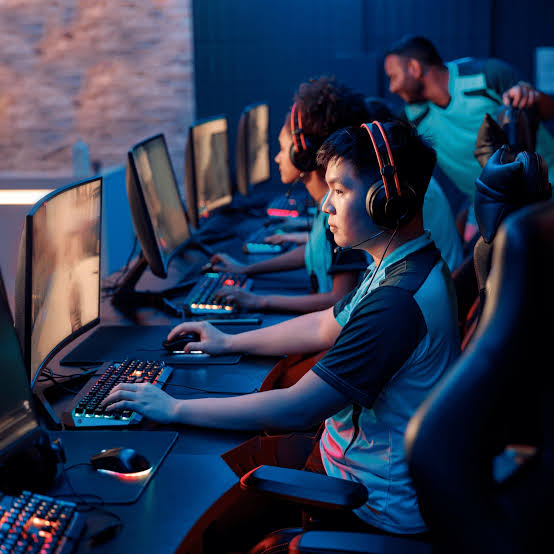
Traditional gaming events generally focused on tournaments, demonstrations, product announcements, and community gatherings. These activities remain important, but today’s audiences expect more variety. A modern gaming event can include esports competitions, creator appearances, workshops, interactive experiences, live broadcasts, gaming challenges, and networking opportunities.
Digital technology has also removed many geographical limitations. Someone who cannot attend an event physically can still watch competitions, participate in online activities, communicate with other fans, and follow creators connected with the event. This creates a larger audience and gives organizers additional opportunities to keep people engaged.
Thehakevent can benefit from this changing model by treating gaming events as ongoing experiences rather than single-day activities. Pre-event announcements can create anticipation, live activities can generate excitement, and post-event content can keep the community involved. This approach gives an event a longer lifespan and creates stronger connections with its audience.
The Growth of Hybrid Gaming Experiences
Combining Physical and Digital Participation
Hybrid events are becoming an important part of the future because they combine the atmosphere of physical gatherings with the accessibility of online participation. A physical venue can create excitement through live audiences, competitions, demonstrations, and face-to-face interactions. At the same time, streaming and digital communities can allow thousands of additional people to participate remotely.
For example, a gaming tournament could take place on a professional stage while viewers around the world watch a livestream. Remote audiences could participate through polls, online challenges, community discussions, and digital competitions. This creates an interconnected experience instead of separating physical attendees from online viewers.
For thehakevent, a hybrid structure could make participation more flexible. Some people may attend the venue, while others may participate from home. Both groups can still feel connected to the same event and community.
Esports and Competitive Gaming
Esports will remain one of the strongest attractions for gaming events. Competitive matches create drama, excitement, and opportunities for players to demonstrate their skills. Professional competitions can also attract large audiences through livestreaming and social media content.
However, future esports events will need to provide more than matches. Audiences increasingly enjoy player stories, interviews, creator collaborations, behind-the-scenes content, and community activities. These elements make competitions more engaging because fans develop connections with players and teams.
A well-designed event can combine professional tournaments with amateur competitions. This gives experienced players a serious competitive environment while allowing casual gamers to participate. The result is a broader event that welcomes different levels of gaming experience.
Thehakevent can use this approach to create a balance between esports and general gaming entertainment. Competitive gaming can attract dedicated players, while interactive activities can make the event accessible to casual audiences.
Technology Will Shape Future Events
Technology will play an increasingly important role in gaming events. Faster internet connections, high-quality streaming, artificial intelligence, augmented reality, virtual reality, and interactive platforms can change how attendees experience events.
Artificial intelligence could help organizers provide personalized recommendations, event schedules, content discovery, and audience support. Virtual and augmented reality could introduce immersive experiences where visitors interact with digital environments in new ways. Streaming technology can also allow people around the world to follow competitions and presentations without being physically present.
Technology should not be used simply because it is new. Its real value comes from improving the audience experience. If a technological feature makes participation easier, more interactive, or more enjoyable, it can strengthen the event.
Thehakevent could benefit from this philosophy by selecting technology based on audience needs. The goal should be to create meaningful interactions rather than overwhelming visitors with unnecessary digital features.
The Importance of Gaming Communities
A successful gaming event is not only about attendance. It is also about community. Gaming communities allow people to share interests, discuss games, organize competitions, exchange strategies, and develop friendships.
For event organizers, building a community can provide long-term value. A physical event may last one weekend, but a strong online community can remain active throughout the year. Members can discuss future events, participate in smaller competitions, follow creators, and share gaming content.
This makes community engagement an important part of the future. Organizers should create opportunities for people to interact before and after an event instead of focusing exclusively on the main program.
A community-focused approach can help thehakevent develop a recognizable identity. When attendees feel that they are part of something larger than a single event, they are more likely to return and encourage others to participate.
The Role of Content Creators
Gaming creators have become an important part of modern gaming culture. Streamers, video creators, commentators, and social media personalities can introduce events to audiences that traditional advertising may not reach.
Creators can participate through live broadcasts, challenge matches, interviews, gaming demonstrations, community tournaments, and behind-the-scenes content. Their involvement can also make events feel more personal because audiences already know their personalities and communication styles.
For gaming events, creator partnerships can provide another layer of entertainment. A professional tournament may appeal to competitive players, while a creator-led challenge may attract casual viewers. Combining both can help organizers reach different audience groups.
Thehakevent could use creator participation to strengthen its community and increase content opportunities. The key is to work with creators whose audiences genuinely match the event rather than relying only on popularity.
What Audiences Expect From Modern Gaming Events
Gaming audiences have become accustomed to interactive digital experiences. As a result, they often expect events to provide more than a conventional stage and tournament schedule.
Some important expectations include:
- Interactive competitions and gaming challenges.
- High-quality livestreams for remote audiences.
- Opportunities to meet creators and gaming personalities.
- New gaming experiences and demonstrations.
- Strong communities that continue after the event.
These expectations do not mean every event needs to adopt every available technology. Instead, organizers should focus on activities that provide genuine value. A simple, well-organized competition can be more memorable than an expensive feature that does not encourage meaningful participation.
Gaming Events as Broader Entertainment Experiences
Gaming increasingly overlaps with music, film, technology, sports, and online entertainment. This creates opportunities for events to become broader entertainment platforms.
A future gaming event could include tournaments alongside live performances, creator sessions, interactive demonstrations, workshops, networking activities, and gaming showcases. Such variety can attract people who enjoy gaming but may not consider themselves highly competitive players.
This broader format can also benefit event partnerships. Sponsors and participating organizations can create interactive experiences instead of relying only on banners or advertisements. When partnerships add value to visitors, they become a natural part of the event.
The future of thehakevent could therefore involve a combination of gaming, entertainment, technology, and community activities. This would make the event relevant to a wider audience while preserving gaming as its central focus.
Traditional and Future Gaming Events
| Event Element | Traditional Model | Future Model |
|---|---|---|
| Audience | Mainly physical visitors | Physical and online audiences |
| Competition | Scheduled tournaments | Interactive competitions |
| Content | Stage presentations | Live and creator-led content |
| Community | Event-based | Year-round engagement |
| Technology | Supporting role | Interactive experience |
| Accessibility | Limited by location | Global digital participation |
The table highlights an important change: future gaming events will not necessarily replace traditional formats. Instead, they will expand them. Physical competitions, live audiences, and face-to-face conversations will continue to matter, while digital tools will provide additional ways to participate.
Personalization and Better Experiences
Future gaming events are likely to become more personalized. Different attendees have different interests. A competitive player may want tournament information, while a casual gamer may prefer demonstrations and social activities. A creator may prioritize networking, while a developer may want feedback from players.
Personalized schedules and event platforms can help visitors find activities that match their interests. This can improve satisfaction because attendees spend less time searching for relevant activities and more time enjoying the event.
Thehakevent can benefit from this approach by offering different experiences for different audience groups. Personalization does not necessarily require complicated technology. Even clear event categories, flexible schedules, and useful digital information can make the experience significantly better.
Preparing for the Future of Gaming Events
Organizers should prepare for the future by focusing on flexibility, audience understanding, reliable technology, and strong community development. Technology will continue to change, so an event strategy should not depend entirely on one platform or trend.
Understanding the audience should come first. Organizers need to know what players want to watch, what they want to participate in, and what would encourage them to return. Feedback from attendees can then be used to improve future events.
Strong planning is equally important. Venue management, scheduling, internet connectivity, safety, accessibility, staffing, streaming, and communication all contribute to the overall experience. A creative concept cannot succeed without dependable execution.
Frequently Asked Questions
What is the future of gaming events?
The future will combine physical gatherings with digital participation, esports, livestreaming, creator content, immersive technology, and community engagement. Events will increasingly focus on interactive experiences rather than passive viewing.
Why are hybrid gaming events important?
Hybrid events make participation more accessible. People who cannot travel can still watch competitions, join online activities, interact with communities, and follow event content from their own location.
What role will esports play?
Esports will remain a major attraction because competitive gaming creates excitement and strong fan communities. Future esports events are likely to include more storytelling, creator content, and interactive activities.
How can technology improve gaming events?
Technology can improve streaming, communication, personalization, interactive challenges, virtual experiences, and audience engagement. The most useful technology will be technology that solves real attendee needs.
Why are gaming communities important?
Communities extend the life of an event beyond its scheduled dates. They allow players to continue discussions, competitions, content sharing, and social interaction throughout the year.
Conclusion
The future of gaming events is moving toward a more connected and interactive model. Esports, livestreaming, creators, immersive technology, digital communities, and personalized experiences are changing how audiences participate in gaming culture. Physical events will continue to matter, but they will increasingly work alongside digital experiences.
Thehakevent can represent this new direction by combining competition, entertainment, technology, and community. Rather than treating a gaming event as a single occasion, organizers can develop an ongoing experience that begins before the event and continues long afterward.
Ultimately, successful gaming events will not simply be those with the biggest venues or most advanced technology. They will be the events that understand their audiences and create genuine opportunities for participation. By focusing on memorable experiences, strong communities, and thoughtful innovation, the next generation of gaming events can become more engaging, accessible, and valuable for players around the world.