

Introduction
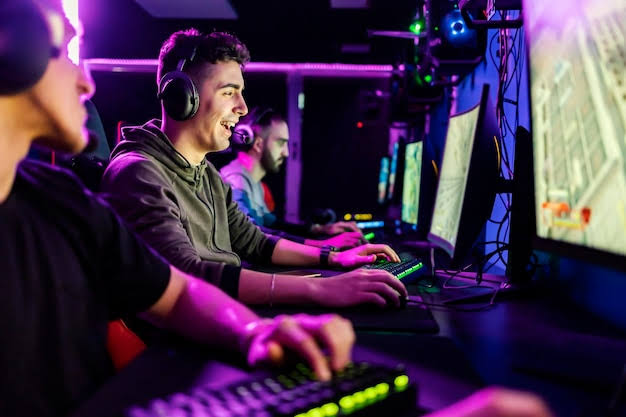
Gaming has changed dramatically over the past decade. What was once viewed primarily as an individual form of entertainment has developed into a social experience where players communicate, compete, cooperate, and build lasting friendships. Online multiplayer platforms, esports competitions, gaming communities, livestreaming, and interactive events have created countless opportunities for people with different backgrounds to connect through a shared passion. In this changing environment, theHakevent represents the idea of bringing gamers together through experiences that place community and participation at the center of gaming culture.
Modern gamers are no longer interested only in winning a match or completing a game. Many players want to share their experiences with others, discover new titles, participate in competitions, exchange strategies, and simply enjoy being part of a community. Events built around these interests can create a welcoming environment for casual players as well as highly competitive gamers. theHakevent can be viewed as an example of this broader movement toward community-focused gaming, where the social experience can be just as important as the game itself.
As gaming continues to expand across different platforms and age groups, events that encourage interaction have become increasingly relevant. From multiplayer challenges and friendly tournaments to discussions, demonstrations, and community activities, today’s gaming events can offer something for a wide variety of participants. Understanding this development helps explain why community-centered experiences are becoming such an important part of the modern gaming landscape.
The Growing Importance of Gaming Communities
Gaming communities have become a major part of the entertainment industry because they give players a place to share interests beyond individual games. A person may discover a new title because another player recommends it, learn a useful strategy through a community discussion, or develop a friendship after repeatedly playing with the same group. These interactions create a sense of belonging that traditional single-player entertainment cannot always provide.
The rise of multiplayer gaming has accelerated this transformation. Players can now compete with or cooperate with people thousands of kilometers away, while voice communication and social platforms make conversations almost immediate. However, digital interaction does not completely replace the value of organized events. A dedicated gaming event can create a shared atmosphere where participants feel that they are part of something larger than an individual match or online session.
How theHakevent Supports Shared Gaming Experiences
At its core, theHakevent reflects an approach to gaming that emphasizes participation rather than simply watching from the sidelines. A successful gaming event can give people opportunities to play, compete, communicate, and discover new aspects of gaming culture. This creates multiple pathways for involvement, allowing participants to choose activities that match their interests and experience levels.
For example, a competitive player may be attracted to a tournament, while a casual gamer might prefer a cooperative challenge or community activity. Someone interested in gaming technology could enjoy demonstrations and conversations about new developments. By combining different forms of participation, an event can appeal to a broader audience and make gaming feel more inclusive.
This type of structure is particularly valuable because gaming audiences are diverse. Not everyone approaches games with the same goals. Some people enjoy competition, others prefer storytelling, and many simply want to spend time with friends. theHakevent can encourage these different interests to exist within one community, helping players find common ground without requiring everyone to enjoy gaming in exactly the same way.
Competitive Gaming Creates Excitement
Competition remains one of the strongest attractions of gaming events. Tournaments can transform familiar games into exciting spectator experiences while giving skilled players a chance to demonstrate their abilities. Competitive formats also encourage preparation, teamwork, communication, and strategic thinking.
However, healthy competition is about more than winning. A well-organized event can help players learn from stronger opponents, understand different strategies, and improve their own skills. Even when someone loses, the experience can provide useful lessons and memorable moments. This makes competitive gaming valuable for both experienced participants and people who are discovering esports-style activities for the first time.
| Gaming Activity | Community Benefit | Typical Participant Experience |
|---|---|---|
| Multiplayer tournaments | Encourages competition and teamwork | Matches, challenges, and strategy |
| Cooperative sessions | Builds communication | Shared objectives and problem-solving |
| Gaming showcases | Encourages discovery | New games and technology |
| Community discussions | Supports knowledge sharing | Tips, opinions, and conversations |
| Casual activities | Promotes inclusion | Relaxed social interaction |
Cooperation Is Just as Important as Competition
Although tournaments often receive significant attention, cooperative gaming can be equally effective at bringing people together. Cooperative games require participants to communicate, understand one another’s strengths, and work toward a shared objective. These qualities can turn unfamiliar players into effective teams surprisingly quickly.
Imagine a group of players entering a cooperative challenge without knowing each other. At the beginning, communication may be limited. As the challenge progresses, however, players naturally begin assigning roles, sharing information, and helping one another. Completing the objective together creates a shared achievement that can become the foundation for future interaction.
Events such as theHakevent can use this type of experience to demonstrate that gaming does not always have to be about individual performance. Sometimes the most memorable moment comes from solving a difficult challenge together, helping a new player understand the game, or celebrating an unexpected victory as a team.
Creating Space for Different Types of Gamers
One of the biggest challenges facing gaming communities is ensuring that newcomers feel comfortable. Competitive environments can sometimes seem intimidating, particularly to players who have limited experience with organized gaming. Community-centered events can address this by offering different levels of participation.
A beginner-friendly activity, for instance, can introduce newcomers to the event without placing them under the pressure of a major competition. More experienced players can then participate in advanced challenges while still interacting with other members of the community. This approach creates a broader ecosystem in which beginners and experts can coexist.
theHakevent fits naturally into this concept because bringing gamers together requires more than simply attracting a large audience. The quality of interaction matters. When people feel welcome, they are more likely to participate, communicate, and return for future activities.
The Role of Technology in Modern Gaming Events
Technology has completely changed how gaming events are organized and experienced. High-speed internet, powerful gaming hardware, streaming platforms, virtual communication, and social media have made it possible to connect participants before, during, and after an event.
A modern gaming event does not necessarily have to be limited to one physical location. Online participation can allow players from different cities or countries to join competitions and community activities. At the same time, physical gatherings can provide an atmosphere that digital platforms cannot fully reproduce.
This combination of online and offline experiences is particularly important in the current gaming environment. Players can discover an event online, participate remotely, meet people digitally, and later attend an in-person gathering. The boundaries between online gaming communities and real-world gaming communities are becoming increasingly flexible.
Building Friendships Through Gaming
Friendship is one of the most powerful reasons people remain involved in gaming communities. Players who meet through a shared game often discover that they have interests beyond gaming. Conversations can move from strategies and new releases to entertainment, technology, creativity, and everyday experiences.
Gaming provides a natural starting point for these relationships because participants already have something in common. An event can strengthen that connection by creating opportunities for people to communicate outside the pressure of a match.
The social side of theHakevent therefore has potential importance beyond the games themselves. A successful event can create memories, conversations, partnerships, and friendships that continue long after the scheduled activities end. This is one reason community-focused gaming experiences can have lasting value.
Why Gaming Events Matter to the Wider Industry
Gaming events also contribute to the wider development of gaming culture. They give developers, players, creators, organizers, and enthusiasts opportunities to interact. Players can discover new experiences, while creators can receive direct feedback from audiences.
These interactions can be especially valuable as the industry becomes increasingly diverse. New genres, platforms, technologies, and business models continue to appear. Community events provide a place where people can discuss these changes and understand how they affect everyday gaming.
In this context, theHakevent represents more than a gathering centered around games. It reflects a larger trend in which gaming is becoming a social ecosystem involving entertainment, competition, creativity, technology, and community participation.
Features That Can Make a Gaming Event Successful
A memorable gaming event generally needs a balance between structured activities and opportunities for informal interaction. Participants should have reasons to engage with the event while also having enough freedom to explore their own interests.
Important elements can include:
- Accessible activities for beginners and experienced players.
- Competitive and cooperative gaming opportunities.
- Spaces for communication, discussion, and networking.
- A welcoming environment that encourages respectful participation.
The balance between these elements is crucial. Too much focus on competition can discourage casual players, while too little structure can make an event feel disorganized. The strongest experiences usually provide variety while maintaining a clear community-focused purpose.
The Future of Community-Centered Gaming
The future of gaming events is likely to become increasingly interactive. Players now expect more than passive entertainment, and communities are becoming an important part of how games are discovered and enjoyed. As virtual reality, augmented reality, cloud gaming, livestreaming, and other technologies develop, events may offer even more ways for participants to interact.
At the same time, technology alone will not determine whether a gaming community succeeds. Human interaction will remain essential. Players want to feel respected, included, and connected. They want opportunities to share achievements and experiences with others who understand their interests.
This is where the philosophy behind theHakevent can remain relevant. Bringing gamers together is ultimately about creating meaningful opportunities for participation. Technology can provide the tools, but community creates the reason for people to return.
How Gamers Can Get More From Events
Players can make gaming events more rewarding by approaching them with an open mind. Instead of focusing exclusively on one game or competition, participants can explore unfamiliar activities, meet new people, and learn from different gaming communities.
Someone who normally plays competitively might discover that cooperative activities are equally enjoyable. A casual player may find an interest in tournaments after watching experienced participants. Similarly, someone interested in technology may discover new gaming possibilities through demonstrations and conversations.
The most valuable experience often comes from participation rather than observation. theHakevent and similar community-driven concepts show how gaming can become a shared experience where everyone contributes to the atmosphere.
FAQs
What is the main purpose of a gaming community event?
The primary purpose is to bring players together around shared interests. Such events can combine competition, cooperation, social interaction, learning, and entertainment while giving participants opportunities to meet other gamers.
Can beginners participate in gaming events?
Yes. Many gaming events can include activities designed for different experience levels. Beginner-friendly sessions can help newcomers become comfortable, learn games, and interact with experienced players without feeling overwhelmed.
Are gaming events only about esports?
No. While esports and tournaments are popular, gaming events can include cooperative sessions, casual play, demonstrations, discussions, community activities, and opportunities to discover new games and technologies.
How does gaming help people build friendships?
Gaming creates natural opportunities for communication and teamwork. Players who repeatedly cooperate or compete can develop familiarity and trust, and shared experiences can eventually develop into genuine friendships.
Why are community-focused events becoming more popular?
Gaming has become increasingly social. Players want opportunities to interact with others, share experiences, discover new games, and participate in communities. Events provide a structured environment for these activities.
What makes a gaming event memorable?
A memorable event usually combines engaging activities with a welcoming atmosphere. Strong organization, diverse gaming options, friendly competition, teamwork, and meaningful social interaction can all contribute to a positive experience.
Conclusion
Gaming has evolved into much more than an individual form of entertainment. It is now a global social activity where players compete, cooperate, communicate, learn, and build communities. Events that recognize this wider role of gaming can create experiences that remain valuable long after a particular match or competition has ended.
theHakevent captures the broader idea of using gaming as a way to connect people. By encouraging shared play, friendly competition, cooperation, discovery, and conversation, community-centered gaming experiences can make players feel more involved and connected. As gaming technology continues to develop, the human element will remain just as important.
The future of gaming is not simply about better graphics, faster hardware, or more advanced platforms. It is also about stronger communities and better opportunities for people to experience games together. Events that successfully combine entertainment with meaningful interaction can help shape that future, making gaming more inclusive, social, and memorable for players of every experience level.