

Introduction
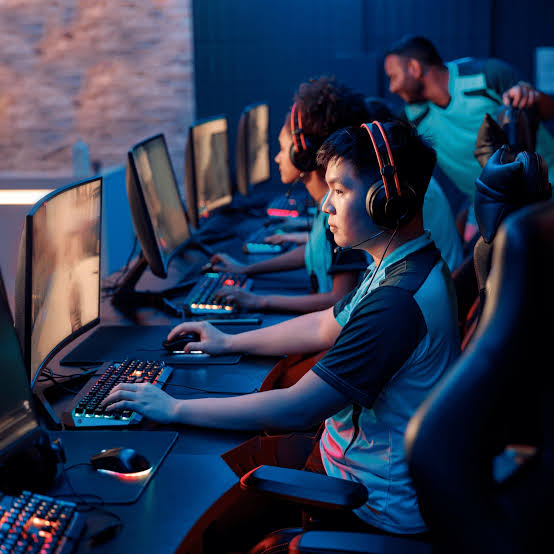
Gaming has grown far beyond a simple form of entertainment. Today, it connects millions of players through competitions, online communities, live events, streaming platforms, creative projects, and interactive experiences. As the gaming industry continues to develop, fans are constantly looking for new ways to discover games, meet other players, follow emerging trends, and participate in memorable activities. This growing interest has created space for gaming events that bring different parts of the gaming community together. For players and enthusiasts searching for something fresh, theHakevent can be viewed as an interesting concept within this broader gaming culture.
The appeal of theHakevent comes from the idea of bringing gaming fans together around shared interests. A successful gaming event does more than showcase games. It creates opportunities for conversations, competition, entertainment, learning, and community participation. Whether someone enjoys competitive gaming, casual multiplayer experiences, gaming technology, digital creativity, or simply following the latest developments in the industry, an event-focused platform can offer something worth exploring.
In the current gaming environment, audiences also expect more than traditional tournaments. They want interactive experiences, engaging communities, creator participation, useful information, and activities that make them feel involved. Understanding what makes a gaming event valuable can therefore help fans make better choices about where they spend their time and attention.
What Is theHakevent?
TheHakevent can be understood as a gaming-centered event concept designed around the interests of modern players and gaming enthusiasts. Rather than viewing gaming as a single category, an event of this type can bring together several elements of the industry, including games, competitions, community discussions, entertainment, technology, and digital culture. This broad approach is important because today’s gaming audience is highly diverse. One person may be interested in esports, while another may care more about new releases, gaming hardware, indie development, or social interaction.
The strength of an event-focused gaming experience depends largely on how effectively it creates participation. Watching someone play can be entertaining, but participating in a challenge, discussing strategies with other fans, meeting fellow players, or discovering an unfamiliar game can make the experience much more memorable. This is why gaming events increasingly focus on interaction rather than simply presenting information to an audience.
For newcomers, it is useful to approach theHakevent with an open mind. Instead of expecting one particular type of activity, visitors can explore different areas connected with gaming culture. The experience may be particularly appealing to people who enjoy discovering new gaming communities and keeping up with changes in the industry.
Why Gaming Events Matter More Than Ever
The gaming industry has become one of the most dynamic areas of digital entertainment. Games now combine storytelling, competition, social interaction, technology, music, art, and online communication. Because of this, gaming events can serve as meeting points for people with very different interests. They can help players move beyond their usual online circles and connect with a broader community.
Another important factor is the growth of esports and gaming content creation. Competitive players, streamers, video creators, commentators, developers, and fans all contribute to modern gaming culture. An event can bring these groups closer together and create opportunities for people to exchange ideas. Even casual players can benefit because they may discover new games or communities that they would not have encountered through their normal gaming routine.
Events also provide a sense of occasion. Online gaming can be convenient, but physical or organized digital gatherings can create shared experiences that feel different from everyday play. A tournament, community challenge, discussion, showcase, or gaming activity can become something players remember long after the event ends.
Key Features Gaming Fans Should Look For
A good gaming event should provide more than a collection of games. Its overall organization, atmosphere, accessibility, and variety can determine whether attendees actually enjoy the experience. TheHakevent, when considered from the perspective of modern gaming expectations, can be evaluated by looking at the types of experiences that make gaming events useful and engaging.
Fans should consider whether an event offers activities for different skill levels. Competitive players may want tournaments and challenges, while casual gamers may prefer demonstrations, social activities, or community sessions. A well-designed event can accommodate both audiences without making either group feel excluded.
Some of the most valuable elements to look for include:
- Gaming competitions and interactive challenges
- Opportunities to meet other gaming enthusiasts
- Discussions about gaming trends and digital entertainment
- Experiences involving new or interesting gaming concepts
- Activities suitable for both casual and competitive players
The best events also understand that gaming is a social experience. Even when the primary activity involves playing a game, the conversations and relationships developed around that activity can be equally important.
The Role of Community in Gaming Events
Community is one of the strongest reasons people continue returning to gaming events. Games can introduce people to one another, but communities give those relationships a longer-lasting foundation. Players often develop friendships through shared games, competitive teams, online groups, and common interests. Gaming events can strengthen these connections by creating an environment where people with similar passions can interact.
TheHakevent can be especially interesting when viewed through this community-focused perspective. A gaming gathering becomes more meaningful when participants are not simply spectators. When people can exchange strategies, talk about favorite games, participate in activities, and share experiences, the event becomes more than a temporary entertainment experience.
Community involvement can also help new gamers feel welcome. Someone who is unfamiliar with competitive gaming may initially feel uncertain about joining a gaming event. A friendly environment can reduce that barrier and encourage newcomers to participate. This is increasingly important as gaming audiences become more diverse in terms of age, experience, interests, and gaming preferences.
Gaming Trends Shaping Modern Events
The gaming landscape changes quickly. New technologies, game genres, platforms, and forms of entertainment continually influence what players expect. Modern gaming events therefore need to remain adaptable. Traditional competitive gaming continues to attract audiences, but other areas such as independent games, virtual experiences, mobile gaming, streaming, and gaming communities are also becoming increasingly significant.
One major development is the growing relationship between gaming and content creation. Many players discover games through videos, livestreams, reviews, short-form content, and creator communities. This means that gaming events can benefit from incorporating opportunities for creators and audiences to interact. A player may attend an event because of a particular game but leave with an interest in several other areas of gaming.
Another trend is the increasing importance of accessibility. Gaming audiences include people with different abilities, preferences, and levels of experience. Events that consider accessibility, clear communication, comfortable participation, and inclusive activities can create a better environment for everyone.
What Makes a Gaming Event Memorable?
Memorable events usually combine several elements rather than depending on one attraction. The games themselves matter, but so do the people, organization, atmosphere, and opportunities to participate. A well-planned event can create moments that players remember because they achieved something, met someone interesting, discovered a new game, or simply enjoyed being part of a community.
Consider a player who normally spends most of their time gaming alone. At an event, that person might join a multiplayer challenge and meet a group of players with similar interests. Even if they do not win the competition, the social experience could become the most valuable part of the day. This illustrates why successful gaming events are about experiences rather than only outcomes.
For theHakevent to appeal to a broad audience, variety can be an important factor. Different visitors should have different reasons to participate. Competitive players may want challenges, casual gamers may want entertainment, and enthusiasts may want opportunities to explore gaming culture. Providing multiple experiences makes an event more approachable.
How Different Types of Gamers Can Enjoy the Experience
Gaming audiences are not all the same, and an event becomes stronger when it recognizes these differences. Competitive players generally enjoy structured challenges, rankings, tournaments, and opportunities to test their skills. They may spend considerable time practicing and studying strategies, so an event that allows them to demonstrate those abilities can be highly attractive.
Casual gamers approach events differently. They may not be interested in rankings or intense competition, but they can still enjoy multiplayer activities, demonstrations, social experiences, and discovering games. Meanwhile, gaming enthusiasts who follow industry developments may be more interested in technology, creative ideas, game design, and discussions about where the industry is heading.
The following table shows how different audiences might approach a gaming event:
| Gaming Audience | What They May Look For | Potential Event Value |
|---|---|---|
| Competitive players | Tournaments and challenges | Skill development and competition |
| Casual gamers | Social and interactive activities | Entertainment and discovery |
| Gaming enthusiasts | Trends and new experiences | Industry awareness |
| Content creators | Community and audience interaction | Networking and engagement |
| New gamers | Accessible activities | Learning and confidence |
Understanding these differences can help event organizers create experiences that appeal to a wider audience without losing a clear identity.
Preparing for a Gaming Event
Preparation can make a significant difference to the overall experience. Before attending an event, gamers should understand the basic schedule, participation requirements, available activities, and any equipment expectations. Being prepared allows visitors to spend more time enjoying the event rather than trying to figure out logistics after arriving.
Players who are interested in competitive activities may also benefit from practicing beforehand. Even a small amount of preparation can improve confidence. Casual visitors, meanwhile, can simply identify the activities they are most interested in and leave enough time to explore other parts of the event.
It is also useful to approach gaming events with realistic expectations. Not every activity will appeal to every visitor. One person might spend hours competing, while another might enjoy talking to other fans or discovering something new. The goal should be to find the parts of the experience that match individual interests.
The Importance of Responsible Gaming
Gaming events should also encourage healthy and responsible participation. The excitement of competition can make players lose track of time, especially when they are deeply engaged in a tournament or multiplayer session. Taking breaks, staying hydrated, getting enough rest, and maintaining balance are important parts of enjoying gaming over the long term.
Responsible gaming is not about reducing enjoyment. Instead, it helps players maintain a positive relationship with gaming. Events can contribute to this by providing comfortable spaces, clear schedules, reasonable activity durations, and environments where participants can take breaks without feeling that they are missing out.
TheHakevent can be considered within this broader idea of balanced gaming culture. The most valuable gaming experiences are those that provide excitement while still supporting a healthy and welcoming environment for participants.
The Future of Gaming Events
The future of gaming events is likely to become increasingly interactive. Technology continues to change the way people play, communicate, and experience digital entertainment. Online participation, livestreaming, virtual environments, creator communities, and emerging gaming platforms can all expand the reach of events beyond a single physical location.
Hybrid experiences may also become more common. Instead of limiting participation to people who can attend in person, event organizers can create digital opportunities for remote audiences. This approach can make gaming events more inclusive and allow communities from different regions to participate together.
At the same time, the human element will remain important. Technology can make an event more impressive, but meaningful interaction is what can make it memorable. Gaming communities are built around people, shared interests, competition, creativity, and conversation. Future events that successfully combine technology with genuine community engagement may have the strongest appeal.
Tips for Getting More From a Gaming Event
Getting maximum value from an event does not necessarily mean participating in every available activity. Instead, visitors should focus on meaningful experiences. Exploring unfamiliar games can be worthwhile because it may introduce players to genres or communities they had previously overlooked.
Networking can also be valuable. Talking to other players, creators, organizers, and gaming enthusiasts can lead to new friendships and interests. Even a short conversation about a favorite game can create a connection that continues after the event.
A few simple habits can improve the experience:
- Plan the activities that matter most before attending.
- Leave time to explore unfamiliar areas.
- Participate at a comfortable skill level.
- Take regular breaks during long gaming sessions.
- Engage respectfully with other members of the community.
These simple steps can help visitors enjoy the event without turning the experience into a stressful schedule.
Frequently Asked Questions
What is theHakevent?
TheHakevent can be viewed as a gaming-focused event concept centered on players, gaming enthusiasts, interactive experiences, competitions, and community engagement. Its appeal comes from bringing different aspects of gaming culture together in one experience.
Who can enjoy theHakevent?
Gaming events can appeal to a wide range of people, including competitive players, casual gamers, gaming enthusiasts, content creators, and newcomers. You do not necessarily need to be an expert gamer to enjoy an event because many activities can be designed for different experience levels.
Why are gaming events becoming popular?
Gaming events provide something that ordinary gaming sessions may not: a shared experience. They allow people to compete, socialize, discover games, meet other enthusiasts, and participate in activities connected with gaming culture.
Should beginners attend gaming events?
Yes. Beginners can benefit from gaming events because they provide opportunities to learn about different games and meet experienced players. Choosing beginner-friendly activities can make the experience more comfortable and enjoyable.
What should I expect from a modern gaming event?
A modern gaming event may include competitive activities, interactive gaming, community experiences, demonstrations, discussions, creator involvement, and opportunities to discover new trends. The exact experience depends on the event’s format and organization.
How can gaming events build stronger communities?
Gaming events bring people with shared interests into the same environment. Through competitions, conversations, multiplayer activities, and community sessions, participants can develop friendships and discover groups that continue beyond the event itself.
Conclusion
Gaming continues to evolve from a traditional entertainment activity into a broad digital culture that combines competition, creativity, technology, social interaction, and community. Gaming events have an important role in this transformation because they give players opportunities to experience these different elements together. Whether someone is a serious competitor, casual player, content creator, or simply curious about gaming culture, a well-organized event can provide valuable experiences.
TheHakevent represents the kind of gaming-focused concept that can attract attention by emphasizing participation, discovery, and community. Its broader appeal lies in the possibilities associated with modern gaming events: meeting like-minded people, exploring new experiences, enjoying friendly competition, and staying connected with an industry that continues to change.
Ultimately, the success of any gaming event depends on the quality of the experience it creates. Games may bring people through the door, but community, interaction, accessibility, organization, and memorable moments can encourage them to return. As gaming continues to expand, events that understand these expectations will remain an important part of the gaming landscape.