

Introduction
Gaming events have evolved far beyond traditional competitions held in large venues. Today, they combine esports, entertainment, technology, community interaction, content creation, live streaming, and immersive experiences into a single ecosystem. Players no longer attend events only to watch professionals compete. They also want opportunities to participate, meet other gamers, discover upcoming titles, explore new hardware, and become part of an active gaming community. This changing environment has created new expectations for organizers and audiences alike.
Thehakevent represents the kind of gaming-focused concept that can be associated with this rapidly changing event culture. Modern gaming events are increasingly designed around experiences rather than simply schedules. A successful event may include competitive matches, creator appearances, interactive demonstrations, community tournaments, gaming showcases, digital experiences, and social activities. As gaming continues to become a major form of entertainment worldwide, events are becoming important meeting points for players, developers, brands, creators, and fans.
The rise of online communities has also changed how people experience gaming events. A person does not necessarily need to be physically present at a venue to participate in the excitement. Streaming platforms, social networks, live chats, short-form videos, and digital communities allow event moments to reach audiences around the world. This combination of physical and digital participation is shaping the next generation of gaming events.
The Changing Landscape of Gaming Events
Traditional gaming events often focused on a relatively simple structure: players gathered in one location, competed against one another, and spectators watched the action. While competitive gaming remains important, modern events are much broader. Organizers now think about the complete audience journey, from discovering an event online to participating in activities, sharing content, watching competitions, and remaining connected after the event ends.
Thehakevent fits naturally into this broader discussion because today’s gaming audience expects variety. A single event can attract casual players, esports enthusiasts, streamers, developers, hardware fans, and families. Each group may have different expectations, which means event organizers need to create multiple forms of engagement. Instead of treating spectators as passive viewers, modern gaming events increasingly give them opportunities to interact with games, creators, competitors, and other members of the community.
Another important change is the growing importance of accessibility. Digital participation makes it possible for people from different regions to follow competitions and announcements without traveling. At the same time, physical events continue to offer experiences that online platforms cannot completely reproduce, such as face-to-face networking, live demonstrations, stage performances, and direct interaction with gaming communities.
Esports Continues to Influence Event Design
Esports has become one of the most recognizable components of modern gaming culture. Competitive tournaments can create dramatic moments, passionate communities, and highly shareable content. As a result, many gaming events now incorporate esports-style elements even when competition is not their primary purpose.
A modern gaming event may feature professional competitions alongside amateur tournaments and community challenges. This creates a more inclusive environment where experienced competitors and ordinary players can participate in different ways. Thehakevent can be viewed within this trend toward combining high-level competition with accessible community activities.
Tournament production has also become more sophisticated. Large displays, real-time statistics, professional commentary, player introductions, instant replays, and online broadcasts can make competitions feel closer to major sporting events. Even smaller events can use affordable streaming and production technologies to deliver a polished experience to audiences beyond the venue.
Immersive Gaming Experiences Are Becoming More Important
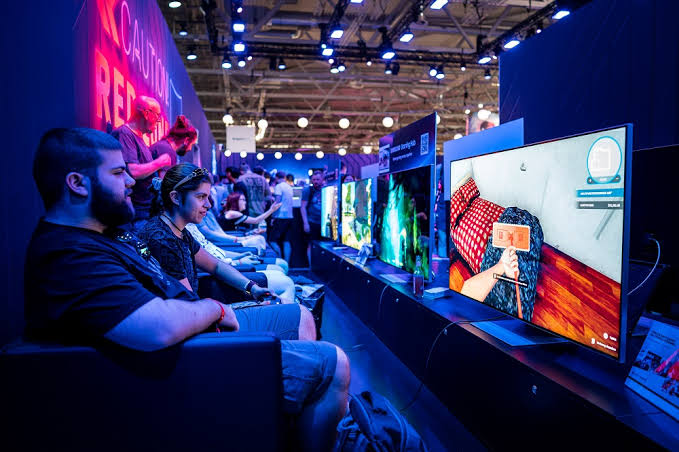
Gaming is inherently interactive, so audiences increasingly expect events to offer something they cannot experience by simply watching a video. Immersive demonstrations, virtual environments, interactive installations, augmented reality features, and hands-on game stations can transform an event into an experience.
This shift is especially relevant when new games or technologies are being introduced. Instead of reading about a product, visitors can potentially test it themselves and form an immediate impression. Interactive areas also encourage social interaction because players naturally discuss their experiences with friends and other attendees.
Thehakevent reflects the type of event branding that can support this experience-first approach. A memorable gaming event is not necessarily defined by the number of activities it offers. More importantly, each activity should contribute to a coherent experience. Good event design considers how attendees move through the venue, where they spend time, what they discover, and what they are likely to share afterward.
Streaming Is Expanding the Reach of Gaming Events
Live streaming has fundamentally changed the relationship between gaming events and their audiences. A physical venue has a limited capacity, but a digital broadcast can potentially reach viewers across multiple regions. This has encouraged organizers to design events with both in-person and remote audiences in mind.
Streaming also creates opportunities for viewers to participate through live conversations, reactions, polls, community discussions, and social media. A person watching from home may feel connected to the event even without physically attending. This hybrid approach has become particularly valuable for gaming because the community is already highly comfortable with digital interaction.
For organizers, streaming is not simply a method of broadcasting a competition. It can become a complete content strategy. Interviews, behind-the-scenes footage, creator discussions, game previews, highlight clips, and audience reactions can extend an event’s visibility before and after the main program.
Gaming Creators Are Shaping Event Culture
Streamers, video creators, esports personalities, reviewers, and community leaders now play a significant role in gaming culture. Their recommendations and reactions can influence what audiences watch, discuss, and play. Consequently, gaming events increasingly recognize creators as important participants rather than simply promotional guests.
Creator appearances can add a personal dimension to an event. Fans may be interested in meeting someone whose streams they regularly watch, while creators can introduce events to communities that might not otherwise discover them. The relationship can become mutually beneficial when creators are given meaningful opportunities to participate rather than being treated only as advertising channels.
Thehakevent can be understood as part of an event trend where community personalities help bridge the gap between organizers and audiences. A successful creator partnership should feel authentic and relevant to the event’s theme. When audiences believe that creators genuinely belong in the experience, engagement tends to feel more natural.
The Role of New Gaming Technology
Technology continues to influence almost every part of event organization. Faster connectivity, advanced displays, cloud-based services, virtual reality, augmented reality, interactive screens, digital ticketing, and real-time analytics can all contribute to modern event experiences.
Virtual and augmented reality are particularly interesting because they can introduce entirely new ways for visitors to interact with digital environments. VR demonstrations can place attendees inside simulated worlds, while AR applications can add digital information to physical spaces. These technologies are not suitable for every event, but when used thoughtfully, they can create memorable experiences.
Artificial intelligence is another emerging influence. AI-powered systems can assist with customer support, personalized recommendations, event information, content organization, and data analysis. The key challenge is ensuring that technology improves the experience rather than becoming a distraction. Good event design uses technology where it provides genuine value.
Community Engagement Is at the Heart of Modern Events
Gaming communities are built around shared interests, but successful events can turn online connections into real-world relationships. Community tournaments, discussion sessions, fan activities, cosplay, creator meetups, and social spaces can make attendees feel that they are contributing to the event rather than simply consuming it.
This community-first approach is particularly important because gaming audiences are diverse. Some people attend for competition, others for entertainment, while many simply want to meet people who share their interests. Providing different forms of participation allows an event to appeal to a wider audience.
What Modern Attendees Often Expect
A well-planned gaming event generally considers several interconnected experiences:
- Competitive gaming and accessible community tournaments.
- Interactive demonstrations and technology showcases.
- Creator appearances, discussions, and audience engagement.
- Streaming, social content, and opportunities for remote participation.
- Comfortable spaces for networking, entertainment, and community interaction.
These elements do not need to appear at every event, but they demonstrate how broad gaming event culture has become. The strongest events usually select activities that match their audience rather than attempting to include every possible trend.
Comparing Traditional and Modern Gaming Events
The difference between traditional and contemporary event models is not that older events were unsuccessful. Instead, audience expectations and available technologies have expanded. Today’s organizers have more tools for engagement, but they also face greater competition for audience attention.
| Event Element | Traditional Approach | Modern Approach |
|---|---|---|
| Competition | Primarily scheduled matches | Esports, community tournaments, and interactive challenges |
| Audience | Mainly physical spectators | Physical and online participants |
| Content | Event-day coverage | Pre-event, live, and post-event content |
| Technology | Basic gaming setups | Interactive, immersive, and connected experiences |
| Community | Venue-based interaction | Online communities combined with in-person engagement |
| Promotion | Posters and conventional advertising | Creators, streaming, social content, and community campaigns |
Thehakevent represents the broader movement toward experiences that connect competition, technology, entertainment, and community. The modern model does not eliminate traditional gaming events; instead, it expands their possibilities. A tournament can still be the central attraction while additional digital and social elements make the experience more engaging.
Sustainability and Smarter Event Planning
As gaming events grow, organizers are also paying greater attention to practical issues such as sustainability, resource management, accessibility, and efficient venue planning. Large events can require substantial electricity, equipment transportation, printed materials, temporary structures, and travel. More responsible planning can reduce unnecessary waste without reducing the quality of the attendee experience.
Digital tickets, reusable signage, efficient equipment management, recycling systems, and better transportation planning are examples of approaches that can contribute to more sustainable events. Accessibility is equally important. Clear navigation, suitable seating, accessible gaming stations, appropriate audio arrangements, and inclusive programming can help more people participate comfortably.
Modern event planning is therefore becoming a balance between excitement and responsibility. The best gaming events can deliver high-energy experiences while considering the practical impact of their operations.
How Gaming Events Can Stay Relevant
Gaming trends change quickly. A game that dominates attention today may be replaced by another title tomorrow, and new technologies can rapidly change audience expectations. This means organizers need to remain flexible rather than designing events around a single short-term trend.
Thehakevent can remain relevant as a concept by focusing on the underlying reasons people enjoy gaming events: competition, discovery, social connection, creativity, entertainment, and participation. These motivations are more stable than individual games or technologies. An event that understands its audience can adapt its activities while maintaining a consistent identity.
Another important factor is post-event engagement. A gaming event should not necessarily end when the final match concludes. Highlight videos, community discussions, creator content, photographs, announcements, and future-event information can keep audiences connected. Continuing the conversation helps transform a one-day event into an ongoing community experience.
The Future of Gaming Events
The future of gaming events is likely to become increasingly hybrid. Physical venues will remain important because gaming is also a social activity, but digital platforms will continue expanding access. Audiences may watch live competitions from home, participate in online challenges, interact with creators, and later attend a physical event for experiences that cannot be replicated digitally.
Personalization may also become more significant. Instead of every attendee receiving exactly the same experience, technology could help people discover activities based on their interests. A competitive player might receive tournament recommendations, while a casual gamer could be directed toward demonstrations, community sessions, or creator events.
Thehakevent illustrates the potential of this broader direction: gaming events can become platforms where technology, entertainment, competition, and community come together. The future will likely belong to organizers that understand these connections and create experiences that feel both technologically advanced and genuinely human.
FAQs About Modern Gaming Events
What makes a modern gaming event different from a traditional event?
A modern gaming event usually offers more than competitive matches. It can combine esports, community tournaments, gaming demonstrations, creator appearances, streaming, social activities, and interactive technology. The focus is increasingly on creating a complete experience for different types of attendees.
Why is streaming important for gaming events?
Streaming allows people who cannot attend physically to follow competitions and activities remotely. It also gives organizers an opportunity to reach international audiences, produce additional content, and encourage online conversations around the event.
How do gaming creators influence events?
Creators can introduce events to established communities and make them feel more personal. Their participation can include live discussions, competitions, demonstrations, meet-and-greets, or behind-the-scenes content. Authentic involvement is generally more valuable than simple promotional appearances.
Are esports tournaments still important?
Yes. Esports remains a major part of gaming event culture because competitive matches create excitement and attract dedicated audiences. However, many modern events combine esports with casual competitions and community activities so that participation is not limited to professional players.
Will virtual reality become common at gaming events?
Virtual reality can become an important feature where it genuinely improves the experience. It is particularly useful for demonstrations and immersive activities, although its usefulness depends on the event’s audience, available equipment, space, and budget.
What will gaming events look like in the future?
Future events are likely to combine physical and digital participation more closely. Streaming, interactive technology, creator communities, personalized experiences, and immersive demonstrations may become increasingly common while face-to-face social interaction remains a central part of the experience.
Conclusion
Gaming events are entering an exciting period in which competition is only one part of a much larger experience. Esports, streaming, creators, immersive technology, community participation, and digital engagement are transforming how audiences discover and experience gaming events. Instead of simply watching a competition, attendees increasingly want to participate, connect, explore new technology, and share memorable moments with others.
Thehakevent reflects the broader evolution of this space, where gaming events are becoming more interactive, connected, and community-focused. The strongest events will not necessarily be those with the most technology or the biggest stages. They will be the ones that understand their audiences and create meaningful experiences around the games and communities people care about.
As gaming continues to expand across entertainment, technology, and social culture, event organizers have more opportunities than ever to innovate. The future of gaming events will likely be defined by flexibility, accessibility, creativity, and strong community connections. By combining these qualities with thoughtful event planning, the next generation of gaming experiences can become more engaging both inside the venue and across the digital world.