

Introduction
The gaming industry is entering an exciting period of transformation. Players are no longer interested only in graphics, game length, or traditional multiplayer modes. They increasingly expect games to provide connected communities, flexible access, creative experiences, competitive opportunities, and technology that makes gameplay more engaging. From artificial intelligence and cloud gaming to immersive experiences and creator-led communities, the modern gaming world is developing in several directions at once.
For players and gaming enthusiasts, keeping track of these developments can make it easier to understand where the industry is heading. thehakevent represents an opportunity to explore these changing interests and consider how new technologies and gaming formats are influencing player expectations. The most interesting developments are not necessarily those that simply introduce new hardware; they are the ones that change how people discover, play, share, and experience games.
AI Is Changing the Gaming Experience
Artificial intelligence has become one of the most important technology trends in gaming. Developers are exploring AI-assisted tools for testing, animation, dialogue, development workflows, character behavior, and procedural content. These technologies can help development teams handle repetitive tasks more efficiently and potentially spend more time refining gameplay, storytelling, and creative concepts.
For players, AI could eventually create more responsive game worlds. Non-player characters may become capable of reacting to situations in more convincing ways, while certain game systems could adjust challenges based on player behavior. However, successful AI integration will depend on thoughtful design. Players still want games to feel intentional and creative, meaning artificial intelligence works best when it supports human development rather than replacing it.
Personalized Gameplay
Another possible application is personalization. Future games could use player preferences and gameplay patterns to recommend content, adjust challenges, or create experiences suited to individual styles. This could make games more accessible to beginners while giving experienced players increasingly sophisticated challenges. The challenge for developers will be maintaining fairness, privacy, and player control while using these technologies.
Cloud Gaming Offers Greater Flexibility
Cloud gaming continues to influence the way players think about hardware. Instead of requiring every game to run entirely on a local machine, cloud-based systems can process supported games remotely and stream the experience to compatible devices. This can give players greater flexibility, especially when they do not want to invest in expensive gaming hardware.
Cloud gaming is not expected to eliminate consoles and PCs immediately. Network reliability, latency, subscription models, regional availability, and internet infrastructure remain important considerations. Instead, cloud services are becoming another option within a broader gaming ecosystem.
This flexibility is particularly relevant as players move between devices. Someone might play on a computer at home and prefer a handheld device while traveling. As technology develops, seamless access across different environments could become a more important part of gaming.
Social Gaming Is Becoming More Powerful
Gaming has always provided social experiences, but online communities now extend far beyond the game itself. Players can communicate through voice chat, livestreams, community groups, social platforms, tournaments, and creator channels. This has transformed games into ongoing social environments where relationships and communities can become just as important as the core gameplay.
Events such as thehakevent can benefit from this community-focused approach by bringing different groups together. Competitive players, casual gamers, content creators, developers, and fans can all participate in different ways. This creates an environment where gaming becomes more than an individual activity.
The growth of social gaming also means that developers need to consider community health. Effective moderation, fair competition, respectful communication, and inclusive participation can help create stronger communities and encourage players to remain engaged over time.
Esports Continues to Grow
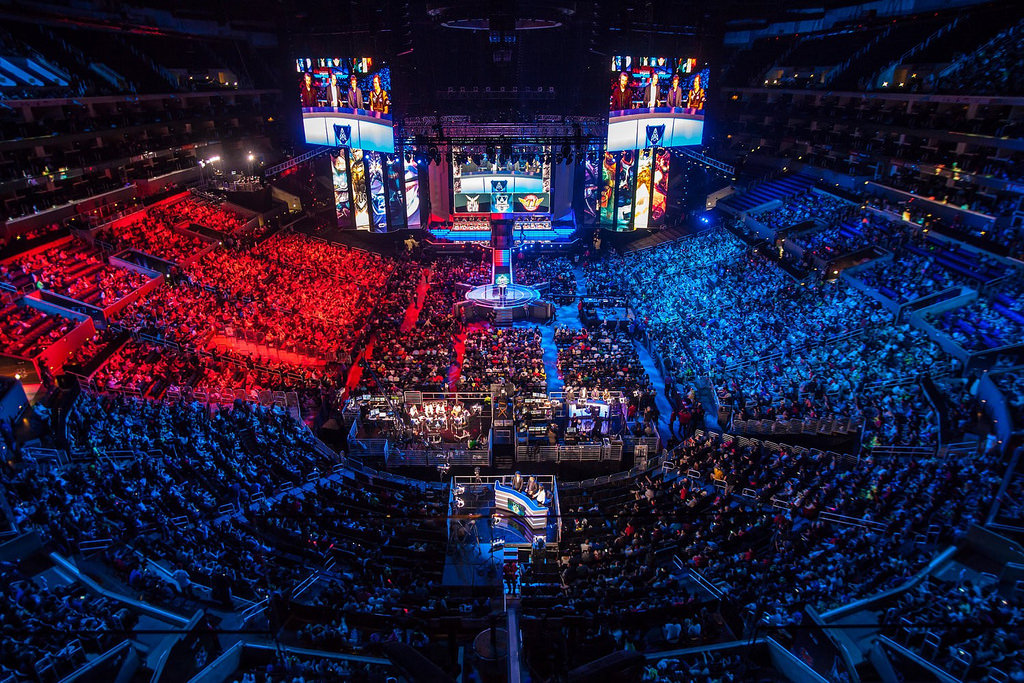
Competitive gaming remains a major part of modern gaming culture. Esports has developed into an entertainment ecosystem involving professional players, teams, tournament organizers, broadcasters, creators, sponsors, and millions of viewers. While major competitions attract significant attention, smaller community tournaments are also important because they give new players a chance to participate.
Competitive gaming is also becoming more accessible through different formats. Short competitions, creator tournaments, community events, and regional contests can attract audiences that may not follow professional esports regularly. This creates more opportunities for players to experience competition without needing to enter a highly professional environment.
At thehakevent, esports-related activities can provide an opportunity to combine competition with entertainment and community interaction. A successful gaming event can appeal to spectators as well as active participants, creating a more complete experience.
Indie Games Bring Fresh Ideas
Independent developers continue to play a crucial role in gaming innovation. Smaller teams often experiment with unusual gameplay systems, storytelling approaches, visual styles, and genres. Without the same expectations attached to major franchises, indie developers can take creative risks and introduce ideas that may later influence the wider industry.
The popularity of indie games also demonstrates how gaming discovery has changed. A small title can attract international attention through streaming, social media, community recommendations, and creator coverage. Players are increasingly willing to explore games outside major franchises when they offer something distinctive.
Gaming events can support this trend by giving independent developers space to present their projects. thehakevent can be associated with this wider movement toward discovering new gaming ideas rather than focusing exclusively on established blockbuster titles.
Immersive Technology Creates New Possibilities
Virtual reality and mixed-reality technologies continue to attract interest because they offer different ways to interact with digital environments. Instead of looking at a game through a traditional screen, players can experience environments that respond to movement, position, and physical interaction.
The future of immersive gaming may involve more than traditional virtual reality. Mixed-reality experiences can combine digital content with physical surroundings, creating interactive environments that blur the boundary between real and virtual spaces. These experiences can be especially effective at gaming events because participants can physically try new technology instead of simply watching demonstrations.
However, developers need to consider comfort, accessibility, controls, and usability. Immersion should improve gameplay rather than becoming a novelty that disappears after a few minutes.
Cross-Platform Gaming Connects Players
Cross-platform gaming is another major trend because players increasingly want freedom in how they access games. When supported, cross-play allows people using different platforms to play together, while cross-progression can allow progress and accounts to move between devices.
This can make multiplayer communities larger and more active. It can also reduce the frustration of being separated from friends simply because they use different hardware. Developers still face challenges involving performance, controls, competitive balance, and platform policies, but the overall direction is toward greater connectivity.
For gaming events, cross-platform support can be particularly useful. It allows organizers to focus on the community and competition instead of dividing participants according to hardware.
Mobile and Handheld Gaming Are Expanding
Mobile gaming remains an enormous part of the industry, while modern handheld devices are creating new opportunities for players who want more powerful experiences away from a traditional setup. Portable gaming allows people to play during travel, breaks, or other situations where a desktop or television may not be practical.
This does not mean traditional consoles and PCs are becoming irrelevant. Instead, players are increasingly using different devices for different purposes. A competitive player may prefer a desktop, a living-room player may use a console, and someone traveling may choose a handheld.
Developers therefore have more reasons to optimize games for different screen sizes, control methods, performance levels, and session lengths.
Creator Culture Is Changing Game Discovery
Gaming creators have become an important part of how players discover new games. Streamers, reviewers, video creators, esports personalities, and community leaders can introduce audiences to games through live gameplay, reviews, challenges, and entertainment-focused content.
A game can sometimes become popular because a creator produces a memorable moment that spreads across online communities. This makes creators more than promotional tools. They can become part of the ecosystem surrounding a game.
Gaming events can use this trend by incorporating creator competitions, interviews, demonstrations, community challenges, and live sessions. This gives audiences more opportunities to interact with gaming personalities while discovering new experiences.
Key Gaming Trends to Watch
- AI-assisted development and smarter game systems.
- Cloud gaming and flexible device access.
- Cross-platform multiplayer and progression.
- Esports, community tournaments, and creator competitions.
- Indie games and experimental gameplay ideas.
Accessibility Is Becoming Essential
Accessibility is increasingly recognized as an important part of game design. Players have different physical abilities, visual needs, hearing requirements, and control preferences. Features such as subtitles, adjustable text sizes, customizable controls, color options, difficulty settings, and alternative input methods can help make games accessible to more people.
Good accessibility can benefit the wider gaming community as well. Flexible controls and clear interfaces often make games easier to understand and customize for everyone. Developers that consider accessibility from the beginning can create more welcoming experiences without sacrificing the core identity of a game.
Gaming events should also consider accessibility. Clear information, comfortable spaces, accessible competitions, readable interfaces, and inclusive rules can help more visitors participate confidently.
Gaming and Responsible Innovation
As technology develops, the gaming industry also faces questions about responsible innovation. Developers and platforms need to consider privacy, fair monetization, community moderation, security, and healthy online interaction. Technological progress is valuable, but it should be balanced with the interests and wellbeing of players.
Environmental concerns are also becoming more relevant. Hardware manufacturing, energy consumption, data centers, and electronic waste are areas where the industry can continue exploring more efficient approaches. Responsible gaming is therefore broader than simply preventing harmful behavior; it also involves considering the long-term impact of gaming technology.
Gaming Trend Comparison
| Trend | Main Benefit | Player Impact |
|---|---|---|
| AI gaming | Smarter systems | More responsive experiences |
| Cloud gaming | Flexible access | Less dependence on local hardware |
| Esports | Competitive entertainment | More ways to compete |
| Indie gaming | Creative freedom | Greater game variety |
| Cross-platform play | Connected communities | Easier multiplayer |
| Immersive gaming | Interactive environments | New ways to experience games |
| Creator culture | Better discovery | Stronger gaming communities |
What Players Can Expect From Gaming Events
Modern gaming events are becoming more diverse. Instead of focusing on a single tournament or product showcase, events can combine competitions, indie demonstrations, creator activities, technology experiences, social gatherings, and community challenges.
This creates opportunities for different types of players. Competitive gamers can participate in tournaments, casual players can explore new titles, creators can interact with audiences, and technology enthusiasts can discover emerging gaming systems.
The future of events such as thehakevent will likely depend on how well they combine these different experiences. Players increasingly want participation rather than simply observation. Interactive activities, community engagement, and opportunities to discover new ideas can make gaming events more memorable.
FAQs
What is the biggest gaming trend in 2026?
AI-assisted development, cloud gaming, cross-platform play, social gaming, esports, and immersive technology are among the most important trends shaping the current gaming landscape. Their long-term influence will depend on how effectively they improve real player experiences.
Are indie games still important?
Yes. Indie developers continue to introduce original gameplay concepts and creative ideas. Their flexibility allows them to experiment with designs that may not fit traditional blockbuster development models.
Will cloud gaming replace consoles?
Cloud gaming is more likely to complement traditional gaming hardware than immediately replace it. PCs, consoles, and handheld systems remain valuable, while cloud platforms provide additional flexibility.
Why is cross-platform gaming useful?
Cross-platform gaming can connect players using different devices, creating larger multiplayer communities. When cross-progression is supported, it can also provide more flexibility for players who switch between devices.
How are creators influencing gaming?
Creators help players discover games through streams, videos, reviews, challenges, and community interaction. Their influence can significantly increase attention around both established and lesser-known games.
What can players expect from future gaming events?
Players can expect increasingly interactive experiences that combine competitions, social activities, creator appearances, technology demonstrations, indie showcases, and opportunities to discover emerging gaming trends.
Conclusion
Gaming is evolving into a more connected and diverse form of entertainment. AI, cloud platforms, esports, indie development, immersive technology, cross-platform play, handheld devices, creator communities, and accessibility are all influencing how games are created and experienced. The most important developments are those that provide players with meaningful choices rather than simply adding technology for its own sake.
For gaming enthusiasts, this creates an exciting opportunity to explore new formats and discover experiences beyond traditional gaming. Events that bring together technology, competition, creativity, and community can become important meeting points for players and creators.
As the industry continues to change, thehakevent can serve as a useful theme for exploring the trends that are shaping modern gaming. The future will likely belong to experiences that are interactive, inclusive, flexible, social, and creatively ambitious. For players, that means more ways to play, compete, connect, and discover what comes next.