

Introduction
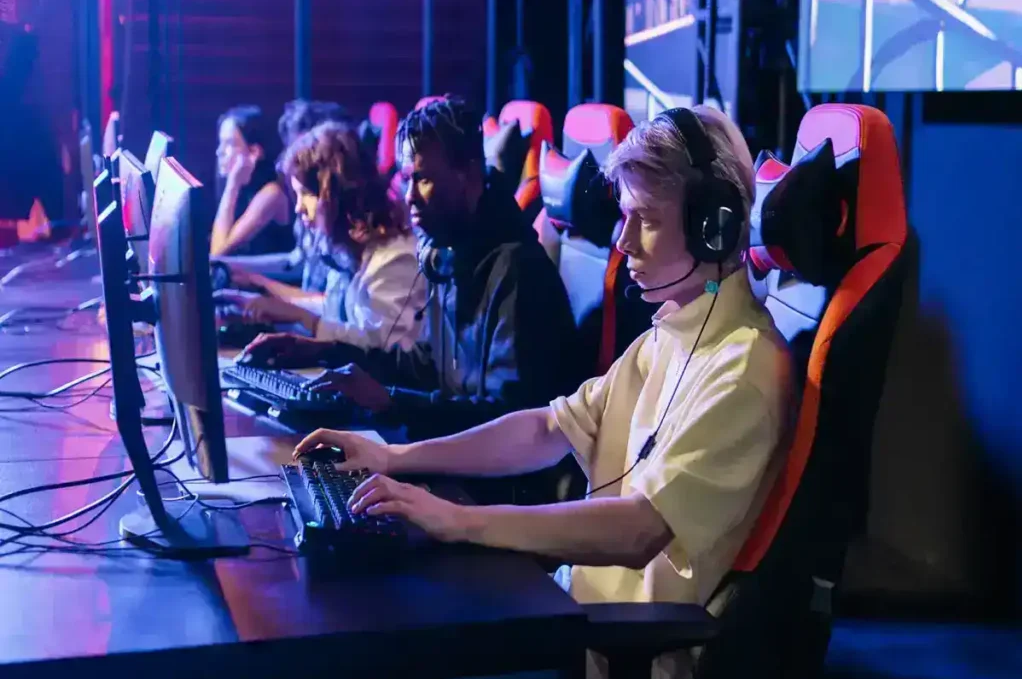
The gaming world has evolved into a massive global industry where competitive tournaments attract millions of players and viewers every year. Among these rising trends, the online gaming event thehakevent has become a symbol of how digital competitions are reshaping entertainment, skill development, and community engagement in 2026. What once started as casual multiplayer matches has now transformed into highly organized esports ecosystems with structured rules, sponsorships, and global participation.
Today, online gaming is not just about playing for fun—it is about strategy, teamwork, earning opportunities, and digital fame. Platforms hosting such events have created a bridge between casual gamers and professional esports athletes. With increasing internet accessibility and powerful gaming devices, participation in competitive gaming has skyrocketed worldwide.
This article explores everything you need to know about modern gaming competitions, their structure, benefits, formats, and how players can maximize their experience in this fast-growing digital space.
Understanding Competitive Gaming Ecosystems
Competitive gaming has become a well-defined ecosystem that includes players, organizers, sponsors, and audiences. In recent years, the online gaming event thehakevent has highlighted how structured tournaments are organized with clear rules, prize pools, and ranking systems that attract global attention.
These events are typically hosted on dedicated gaming platforms or esports networks that allow players from different regions to compete in real-time. What makes them unique is the blend of entertainment and professionalism. Players are not just competing for fun—they are building reputations, streaming audiences, and even long-term careers.
The ecosystem also includes coaching, analytics, and performance tracking systems that help players improve their skills. This has turned gaming into a serious profession for many individuals across the world.
Rise of Global Online Gaming Competitions
The global rise of gaming competitions has been fueled by technology, streaming platforms, and community engagement. Millions of viewers now watch live tournaments daily, turning gaming into a mainstream form of entertainment.
In this growing industry, the online gaming event thehakevent stands out as an example of how digital competitions can bring together diverse gaming communities under one platform. From battle royale games to strategy-based challenges, these events cover a wide range of genres that appeal to different types of players.
Another major reason for this growth is accessibility. Unlike traditional sports, online gaming requires minimal physical infrastructure. Anyone with a stable internet connection and a gaming device can participate, making it highly inclusive and global.
Structure and Format of Modern Gaming Events
Modern gaming tournaments follow structured formats to ensure fairness and competitiveness. These formats vary depending on the game type and participant level.
In many cases, the online gaming event thehakevent follows a multi-stage structure that includes qualifiers, group stages, knockout rounds, and finals. Each stage is designed to filter out the best performers while maintaining competitive balance.
Below is an overview table showing typical gaming event structures:
| Stage | Description | Purpose |
|---|---|---|
| Qualifiers | Open entry matches for all players | Select top-performing players |
| Group Stage | Players divided into groups | Balanced competition |
| Knockout Round | Elimination-based matches | Identify top contenders |
| Finals | Last stage between top players | Determine overall winner |
These structured formats help maintain fairness and excitement throughout the competition. They also ensure that both beginners and professionals get equal opportunities to showcase their skills.
Technology Behind Modern Gaming Events
Technology plays a vital role in the success of online gaming competitions. High-speed servers, anti-cheat systems, and real-time streaming technologies make it possible to host large-scale tournaments smoothly.
In many digital platforms, the online gaming event thehakevent integrates advanced matchmaking systems that pair players based on skill levels. This ensures balanced gameplay and enhances the overall competitive experience.
Cloud gaming technology has also made it easier for players to participate without needing expensive hardware. Additionally, live streaming integrations allow audiences to watch matches in real time, interact with players, and engage with communities across the world.
Benefits of Participating in Gaming Events
Participating in online gaming competitions offers numerous benefits beyond entertainment. Players can improve cognitive skills such as decision-making, problem-solving, and teamwork.
Events like the online gaming event thehakevent also provide opportunities for recognition and rewards. Many players gain sponsorships, streaming deals, and even professional contracts after performing well in tournaments.
Additionally, these events foster global friendships and networking opportunities. Players from different countries collaborate and compete, creating a diverse and inclusive gaming environment.
Popular Game Categories in Competitive Events
Competitive gaming events include a variety of game genres that appeal to different skill sets and interests. These categories are carefully selected to maintain engagement and diversity.
Some of the most popular categories include battle royale games, real-time strategy games, first-person shooters, and sports simulation games. In each category, the online gaming event thehakevent often features unique challenges that test players’ reflexes, strategy, and coordination.
These categories ensure that every type of gamer finds something suitable, whether they prefer fast-paced action or slow strategic planning.
Player Experience and Community Growth
One of the most important aspects of gaming events is community building. Players not only compete but also interact, share strategies, and build long-term friendships.
Within communities like the online gaming event thehakevent, players often engage in discussions, practice sessions, and collaborative strategies that enhance overall performance. This sense of belonging encourages continuous participation and skill improvement.
The community aspect also plays a key role in sustaining the popularity of gaming events. Online forums, streaming chats, and social media groups contribute to a strong and active player base.
Key Takeaways
- Online gaming has become a global competitive industry
- Structured tournaments ensure fairness and excitement
- Technology is the backbone of modern gaming events
- Players benefit from skills development and career opportunities
- Community engagement is essential for long-term growth
- Competitive events offer diverse game categories for all players
FAQs About Online Gaming Events
1. What is the purpose of modern gaming tournaments?
Modern gaming tournaments are designed to provide structured competition, skill development, and entertainment for players and audiences worldwide.
2. How do players join competitive gaming events?
Players usually register through online platforms that host tournaments and follow eligibility requirements such as rank or qualification rounds.
3. What makes online gaming competitions popular?
Accessibility, global participation, live streaming, and prize rewards make them highly popular among gamers and viewers.
4. Can beginners participate in these events?
Yes, many tournaments offer beginner-friendly categories and qualifying rounds to help new players enter competitive gaming.
5. What skills are important for gaming competitions?
Key skills include strategy, reflexes, teamwork, communication, and decision-making under pressure.
6. Are online gaming events safe and fair?
Most platforms use anti-cheat systems and strict rules to ensure fairness and maintain a secure competitive environment.
7. How do gaming events help players professionally?
They help players build reputations, gain sponsorships, and even transition into professional esports careers.
Conclusion
The world of competitive gaming continues to expand rapidly, offering endless opportunities for players and audiences alike. From structured tournaments to advanced technologies, the gaming industry is evolving into a global powerhouse of entertainment and skill development.
As seen in platforms like the online gaming event thehakevent, these competitions are not just about winning—they are about learning, growing, and connecting with a global community of gamers. With increasing innovation and participation, the future of gaming events looks more promising than ever.
Whether you are a casual player or an aspiring professional, the digital gaming world offers a space where passion meets opportunity, and every match brings a chance to improve and succeed.